
Artist
Amy Winehouse
Chase Farm Hospital, United Kingdom · 1983 – 2011
Amy Winehouse is a musician from Chase Farm Hospital, United Kingdom, active 1983–2011. Their discography on Gatefold includes 16 records.

16
Albums tracked
354
In collections
1983
Since
Biography
Salaam Remi was the secret sauce. Before the beehive and the tabloid hell, he was the guy in the booth for Frank, stripping back the polish to let a nineteen-year-old from North London sound like a jazz singer from 1954. Remi brought that Queens bridge boom-bap sensibility to a voice that could swing like Sarah Vaughan. Most people forget how clean and jazzy those early sessions were before the Ronson transformation. It wasn’t retro-soul yet—it was hip-hop kids playing with real horn sections and a girl who knew every note of a Dinah Washington record. Then Mark Ronson and the Dap-Kings changed the math for Back to Black. They tracked that record like it was 1967 at Stax, bleed-through on the mics and all. That wasn’t some corporate gimmick; it was the only way to anchor a voice that was starting to fray at the edges from the absolute chaos of her life. You hear the desperation in the vocal takes because the room was tight and the band was locked in. It’s a fucking heavy record that everyone treats like a party soundtrack, but the session players knew they were capturing a storm.
Bio from The Clerk
The Arc of Amy Winehouse
The pivots — what forced Amy Winehouse to reinvent.
The Hip-Hop Jazz Infusion
Working with Salaam Remi and Commissioner Gordon, she carved out a space that didn't care about the pop charts of 2003. They were using Fender Rhodes and upright basses to bridge the gap between her love for Thelonious Monk and the 90s hip-hop she grew up on. You can hear the lack of compression on those early vocal tracks, giving her room to breathe and ad-lib without the radio-ready sheen that killed her peers' records. It was a sophisticated, jagged debut that proved she was a musician first and a 'star' a distant second.
The Daptone Overhaul
The pivot happened when Ronson brought in the Dap-Kings, the house band for Daptone Records, to provide the skeletal structure for her second album. Shifting from the lounge-jazz feel of Frank to a gritty, Mid-Atlantic soul sound forced her to sharpen her phrasing into punchier, more rhythmic bites. Tracking at Chung King Studios and Daptone’s House of Soul meant using vintage gear and ribbon mics to get that distorted, analog warmth. This wasn't just a style choice; it was a total sonic reconstruction that turned her into a global force while her personal world started to come apart.
Influences
- The Ronettes — She modeled her entire visual aesthetic and those massive girl-group vocal harmonies on Ronnie Spector's blueprint. You hear it in the 'whoa-oh' hooks of 'Back to Black' and the wall-of-sound production Ronson built to mimic Phil Spector’s Gold Star Studios sessions. Ronnie Spector eventually covered 'Back to Black' herself, closing the loop on that obsession.
- Sarah Vaughan — Vaughan was the technical North Star for her vocal phrasing and those deep, low-register runs. On the track 'October Song,' she literally name-checks 'The Divine One' and mimics Vaughan's signature vibrato. It’s the foundational jazz discipline that kept her from sounding like a generic pop singer.
- The Specials — The 2-Tone influence was baked into her DNA, leading her to cover 'You're Wondering Now' and 'A Message to You, Rudy' during her live sets. She took their ska-inflected street attitude and applied it to her own Camden-based songwriting. It’s why her soul music never felt precious—it had that rude girl grit.
- Dinah Washington — She frequently cited Washington as her primary influence for storytelling through song. You hear that influence in her blunt, conversational delivery on tracks like 'Cherry,' where the lyrics feel more like a late-night argument than a polished poem. She learned how to be funny and devastating in the same verse from Washington.
- Donny Hathaway — The raw emotional transparency of 'A Song For You' was the benchmark for her most vulnerable work. She performed Hathaway's arrangements of 'We're Still Friends' and 'I Love You More Than You'll Ever Know' to showcase her ability to lead a band through pure gospel-soul dynamics. Hathaway provided the map for how to bleed on a microphone without losing the melody.
Discography
Their records — most-collected first.
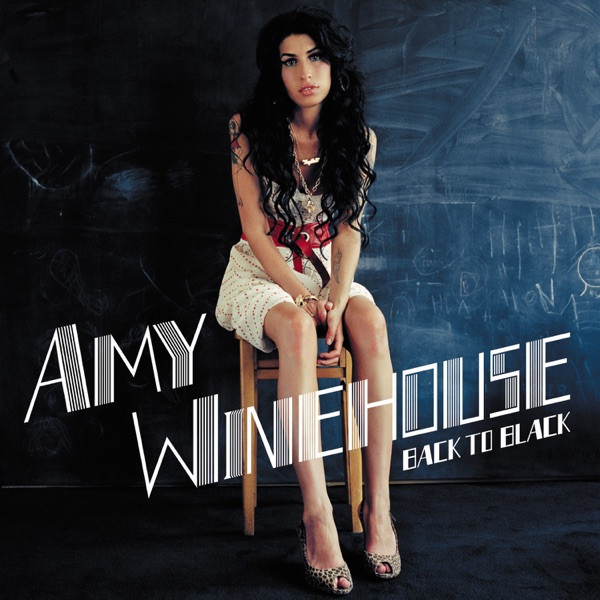
Back To Black
2006
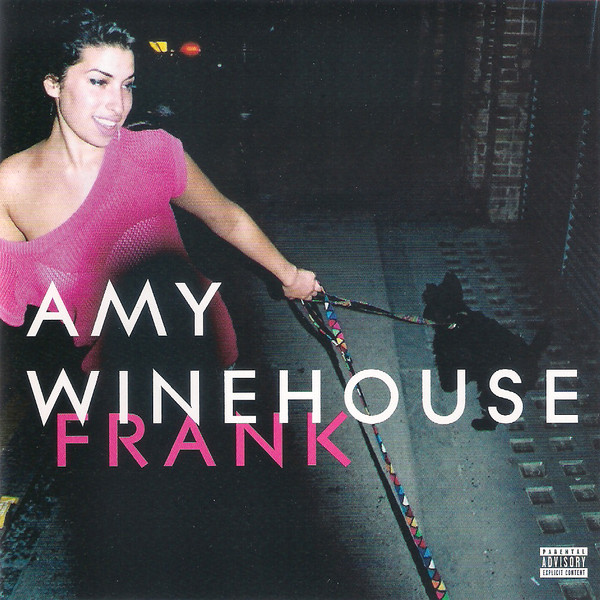
Frank
2003
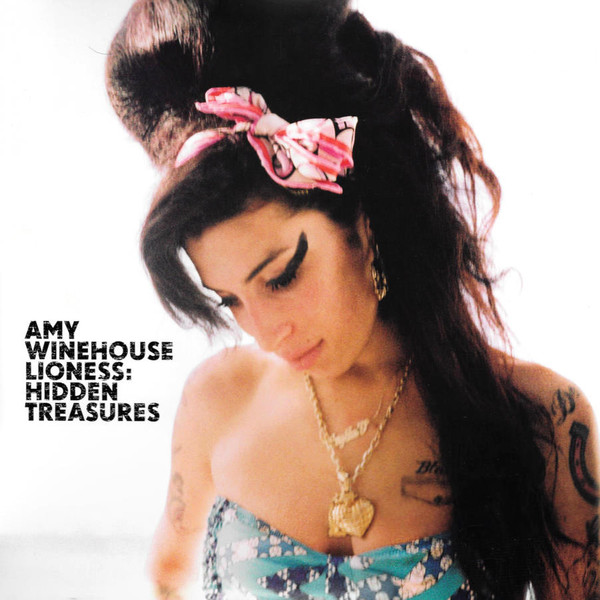
Lioness: Hidden Treasures
2011
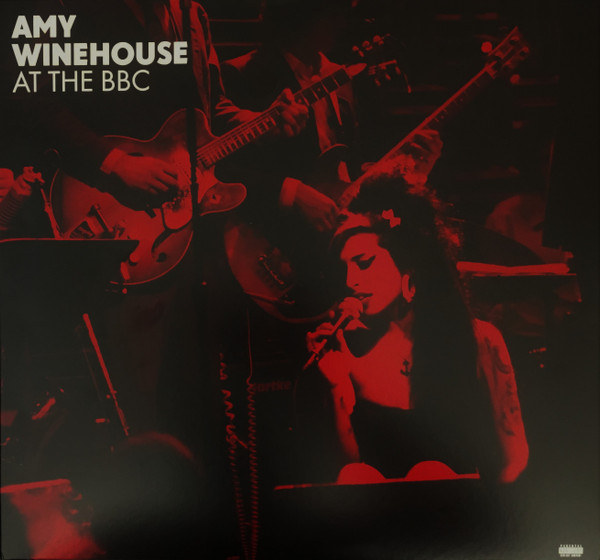
At The BBC
2012

Live At Glastonbury 2007
2022
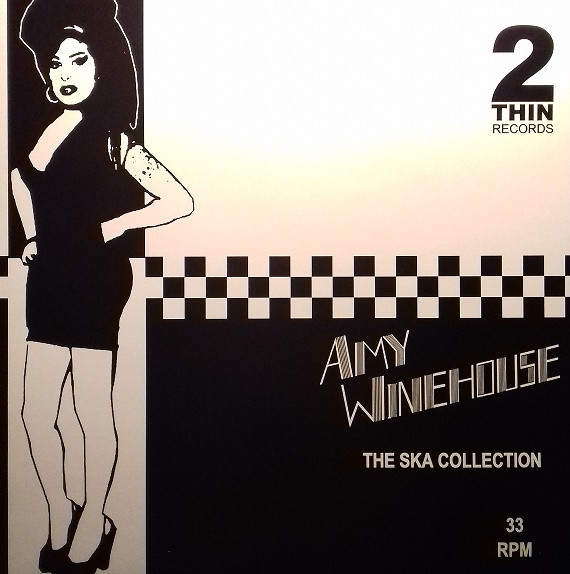
The Ska Collection

The Collection
2015
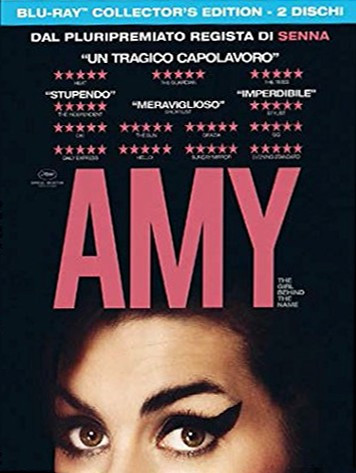
Amy
2015
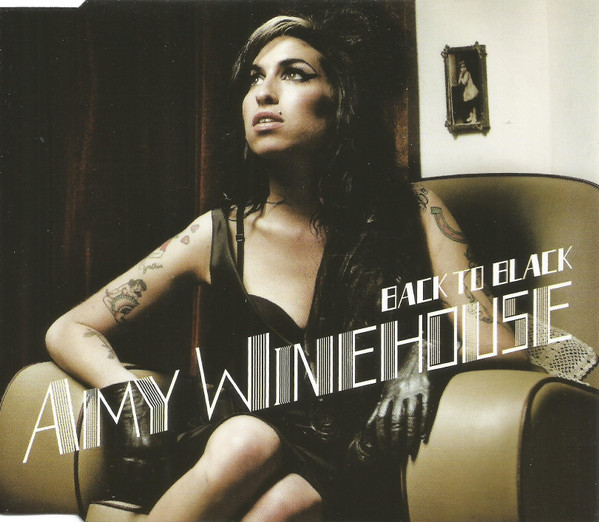
Back To Black
2007

I Told You I Was Trouble - Live In London
2007

Scoop The Pearls Up From The Sea
2015
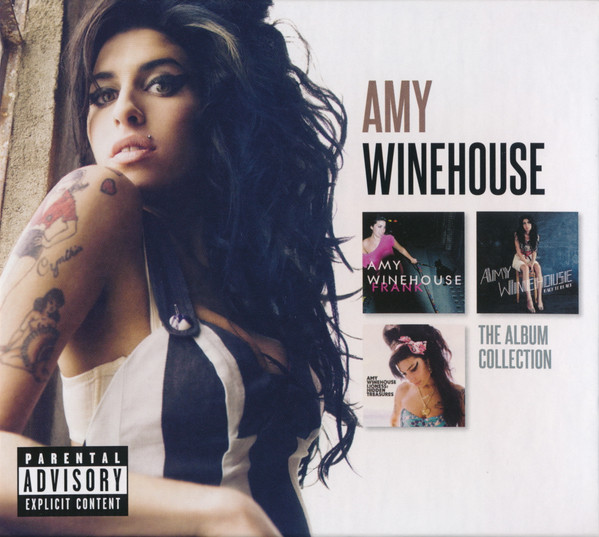
The Album Collection
2012

Live In Berlin 2007
2008

Frank - Remixes
2007
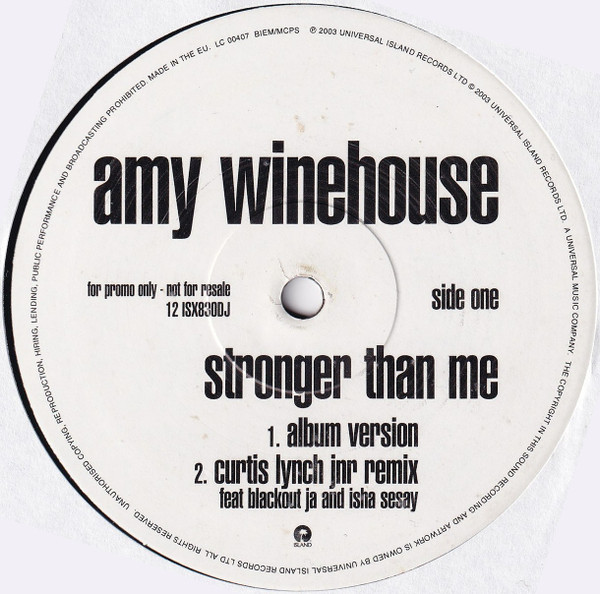
Stronger Than Me
2003
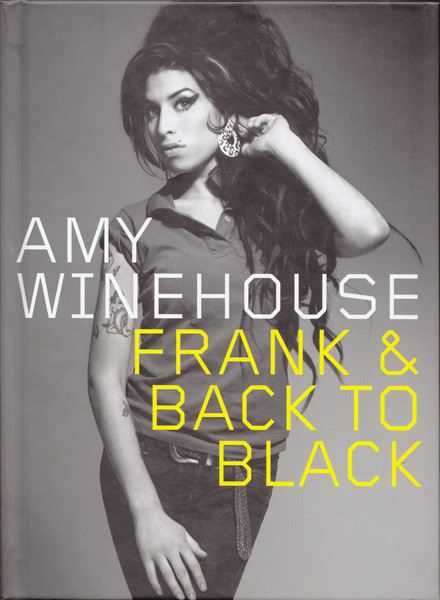
Frank & Back To Black
2008
Related artists
Frequent collaborators
Around the web
Follow every record they touch.
Start your shelf and Gatefold tracks Amy Winehouse's new pressings, tour dates, and the whole discography — automatically.
Start your shelf →Free forever. Works with 10 records or 10,000.