
Artist
American Football
US | midwest emo
United States · Formed 1997
American Football is a music group from United States, active since 1997. Their discography on Gatefold includes 9 records.

9
Albums tracked
157
In collections
1997
Since
Biography
Mike Kinsella, Steve Holmes, and Steve Lamos spent their time at the University of Illinois tinkering with mathy, open-tuned guitars and odd time signatures that had more to do with Steve Reich than Green Day. They recorded their debut album at Private Studios in Urbana with Brendan Gamble on a budget that barely covered the tape. Lamos didn't just play drums; he brought a trumpet and a jazz background that gave the tracks a lonely, midnight-on-campus feel that most of the pop-punk kids in 1999 weren't ready for. They broke up almost immediately after the record came out because they graduated. The album sat in the Polyvinyl catalog for years, gathering dust while its reputation grew by word-of-mouth until it became the blueprint for a whole generation of midwest emo bands. When they finally got back together fifteen years later, they weren't teenagers in a basement anymore, but they still had those weird tunings and that specific, melancholic sprawl.
Bio from The Clerk
The Arc of American Football
The pivots — what forced American Football to reinvent.
The Urbana Basement Era
Between 1997 and 1999, the band operated more like a college project than a career move, focusing on clean tones and complex layering. Working with Brendan Gamble at Private Studios, they leaned into the interplay between Holmes’ and Kinsella’s interlocking guitar lines. The result was a self-titled record that ignored the distorted angst of the era in favor of quiet, jazz-inflected math rock. You can hear the lack of ego in the tracking—it sounds like three guys figuring out how to play together in real-time.
The Grown-Up Polyvinyl Sessions
Reuniting in 2014 meant bringing Nate Kinsella into the fold to fill out the live sound and eventually the studio process. By the second and third self-titled albums, the production shifted from basement grit to high-fidelity clarity with Jason Cupp at the board. They swapped the raw, impulsive energy of their youth for shimmering textures and guest spots from vocalists like Hayley Williams and Elizabeth Powell. These records feel like a deliberate expansion, moving away from the 'emo' tag and toward a more polished, post-rock sophistication.
Influences
- Steve Reich — Mike Kinsella has cited Reich's 'Music for 18 Musicians' as a fundamental guide for how the band structures repetitive, interlocking guitar patterns. You hear this in the way 'Never Meant' builds its tension through shifting cycles rather than traditional power chords. It’s minimalism applied to a rock trio format.
- The Sea and Cake — The band frequently pointed to the Chicago post-rock scene and specifically Archer Prewitt’s clean, precise guitar work as a major aesthetic touchstone. That breezy, jazzy sophistication is all over American Football's percussion and melodic phrasing. It’s what keeps them from sounding like a typical punk band.
- Cap'n Jazz — This was the primary training ground for Mike Kinsella, playing drums for his brother Tim. While Cap'n Jazz was chaotic and abrasive, American Football feels like a direct reaction against that noise. It’s the sound of someone who survived the basement show scene and wanted to find some quiet.
- Slint — The DNA of 'Spiderland' is present in the band's use of harmonics, spoken-word-adjacent vocals, and sudden dynamic shifts. Steve Holmes has acknowledged the impact of the Louisville scene on how they approached the guitar as a percussive tool. Without 'Nosferatu Man,' the rhythmic complexity of American Football doesn't exist.
- Tortoise — Sharing the Illinois geography, Tortoise showed this band that you could be 'indie' while using vibraphones, trumpets, and dub-influenced bass lines. The use of Steve Lamos’s trumpet isn't a gimmick; it’s a nod to the instrumental textures pioneered by the Thrill Jockey roster. It adds that specific layer of suburban noir to their sound.
Discography
Their records — most-collected first.


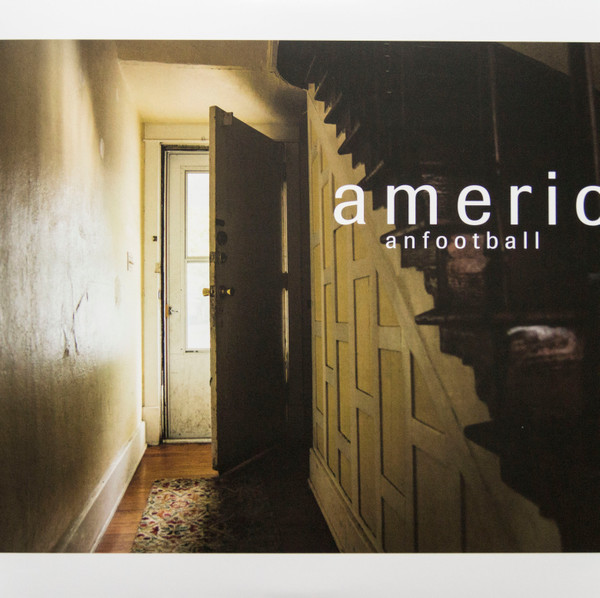


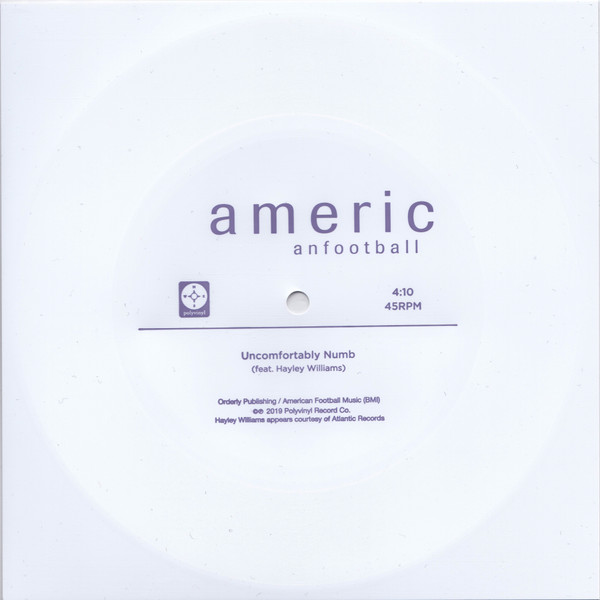
Related artists
Around the web
Follow every record they touch.
Start your shelf and Gatefold tracks American Football's new pressings, tour dates, and the whole discography — automatically.
Start your shelf →Free forever. Works with 10 records or 10,000.