
Artist
alt‐J
English indie‐rock band
Leeds, United Kingdom · Formed 2007
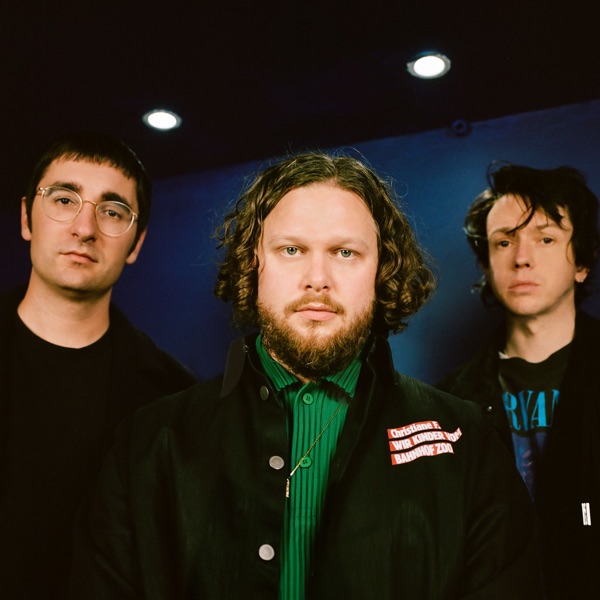
alt‐J is a music group from Leeds, United Kingdom, active since 2007. Their discography on Gatefold includes 5 records.
5
Albums tracked
118
In collections
2007
Since
Biography
Thom Green didn't have a kick drum or cymbals because the walls in their Leeds student dorm were paper-thin, so he bought a tambourine and a cowbell and beat the hell out of the rims instead. That noise restriction forced alt-J to build a completely backward rhythm section where the percussion had to tiptoe before it punched. Charlie Andrew heard that weird, unamplified clatter, hauled them into Iguana Studios in Brixton, and refused to let them record like a standard guitar band. The result was a Mercury Prize debut that pissed off indie purists because it sounded like medieval choir geeks discovering low-end hip-hop beats on an old laptop. Then bassist Gwil Sainsbury walked away right before album number two, leaving a trio to figure out how much of their sound was structural and how much was just studio trickery. They got indulgent, leaning heavy on choir tracks, Miley Cyrus samples, and baroque orchestral tangents that polarized everyone who wanted another straight-ahead radio single. They survived the sophomore slump and the weird experimental detours because Joe Newman never stopped singing like his jaw was wired shut while spitting genuinely dark, literate stories over skewed time signatures.
Bio from The Clerk
The Arc of alt‐J
The pivots — what forced alt‐J to reinvent.
The Dorm Room Math
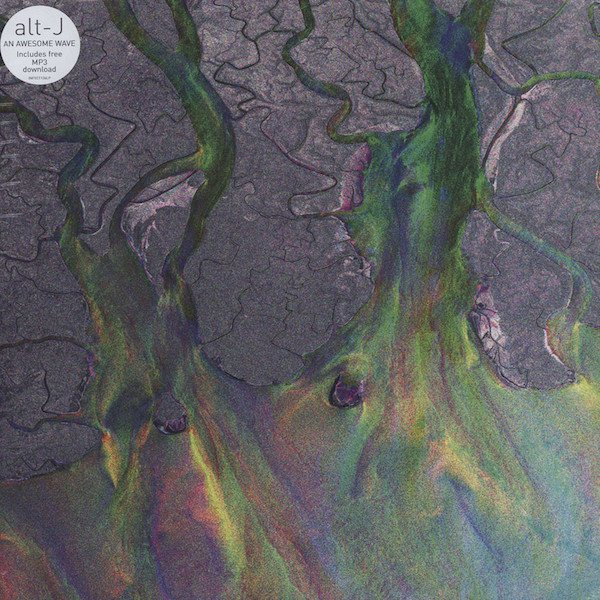
Trapped by dorm noise ordinances, the four-piece wrote without cymbals or loud amps, forcing a percussive, skeletal groove built on interlocking vocal rounds and guitar taps. Producer Charlie Andrew captured that claustrophobic dynamic for An Awesome Wave, framing Joe Newman's nasal delivery with dry folk picking and sudden sub-bass drops. It blew past British indie expectations and snatched the 2012 Mercury Prize out from under the heavy favorites. You can hear four guys playing as quietly as possible to keep from getting evicted.
Down to a Trio
Bassist and founding member Gwil Sainsbury left the band in early 2014, stripping away a core harmonic anchor right before they tracked This Is All Yours. Instead of replacing him, the remaining trio doubled down on studio sprawl, pulling an authorized Miley Cyrus vocal chop into 'Hunger of the Pine' and tracking pastoral flute arrangements. The record hit number one in the UK despite critics arguing the band had traded sharp songcraft for atmospheric bloat. It proved they could survive a major fracture by leaning into pure theater.
Abbey Road Experiments
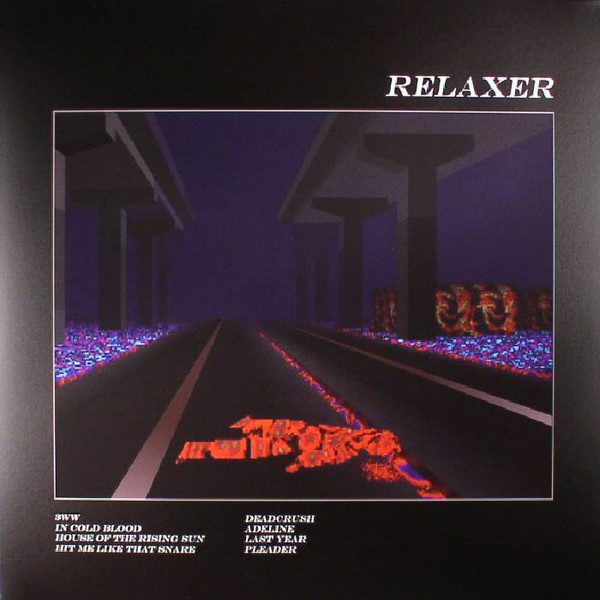
By 2017's Relaxer, the band abandoned radio hooks entirely and took eight wildly disjointed tracks into Abbey Road with the London Metropolitan Orchestra. They rewrote 'House of the Rising Sun' into a funeral dirge and chased gritty garage noise on 'In Cold Blood.' The album baffled casual fans and divided critics, but it gave them the license to completely dismantle their own template. They followed it by handing the whole record to hip-hop producers and rappers for Reduxer just to see what would break.
True Crime and Restraint
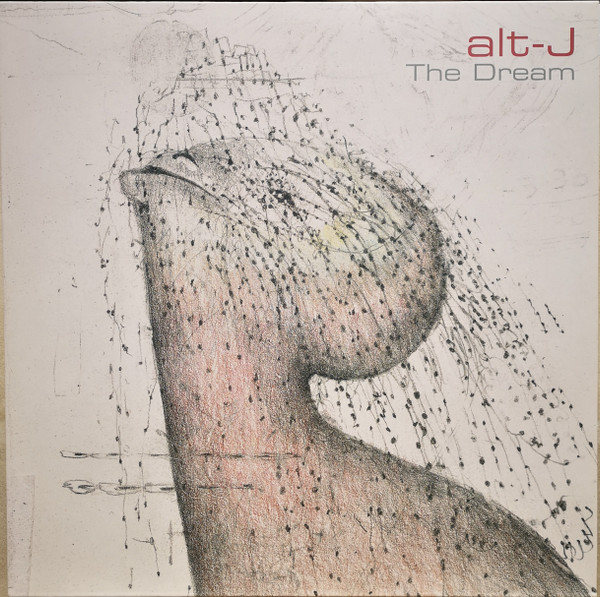
The Dream stripped away the symphonic excess of their late-2010s output in favor of locked-in grooves, true-crime narratives, and tape-delayed blues riffs. Newman dug into grimy storytelling about crypto grifters and Cold War assassinations while Green's drums returned to the foreground with bone-dry punch. It brought Charlie Andrew back to tighten the screws, proving the band was sharpest when they kept the arrangements lean. It was the sound of a veteran band finally comfortable in their own idiosyncratic skin.
Influences
- Radiohead — Joe Newman and Gus Unger-Hamilton have repeatedly cited In Rainbows as the absolute gold standard for how to integrate electronics with organic acoustic guitars. You hear it across An Awesome Wave in the muted fingerpicking layered over Thom Green's stuttering, Phil Selway-style off-beat grooves. They lifted the art of the sudden, sweeping dynamic shift directly from Thom Yorke and company.
- A Tribe Called Quest — The band bonded early in university over mid-90s boom-bap, specifically the way Q-Tip layered acoustic upright bass samples beneath hard, snappy snares. That hip-hop bounce is all over the syncopated drum programming of 'Fitzpleasure' and 'Tessellate.' It gave their folk melodies a swagger that other UK indie bands completely lacked.
- Modest Mouse — Newman has routinely credited Isaac Brock's unhinged, idiosyncratic vocal phrasing and jagged guitar bends as a direct inspiration for his own style. You hear that strained, percussive vocal delivery all over 'Left Hand Free' and the twitchy verses of 'Every Other Freckle.' It taught them that an unconventional, unpolished voice could still carry a massive hook.
- Bob Dylan — Unger-Hamilton and Newman have pointed to Dylan's mid-60s run as the blueprint for packing dense, non-linear lyrical poetry into folk structures. Newman cribs Dylan's cadence on acoustic tracks like 'Bloodflood' and 'Taro,' stuffing verses with historical lore and hyper-specific imagery. It is the literary foundation behind their entire catalog.
- PJ Harvey — The band openly studied Harvey's sparse, skeletal arrangements on records like Let England Shake, particularly her use of dry percussion and historic violence in modern songwriting. You hear her menacing, blues-damaged influence drive the stomping guitars on Relaxer and The Dream. She showed them how to make quiet, open space feel terrifying.
Discography
Their records — most-collected first.


Related artists
Around the web
Follow every record they touch.
Start your shelf and Gatefold tracks alt‐J's new pressings, tour dates, and the whole discography — automatically.
Start your shelf →Free forever. Works with 10 records or 10,000.