
Artist
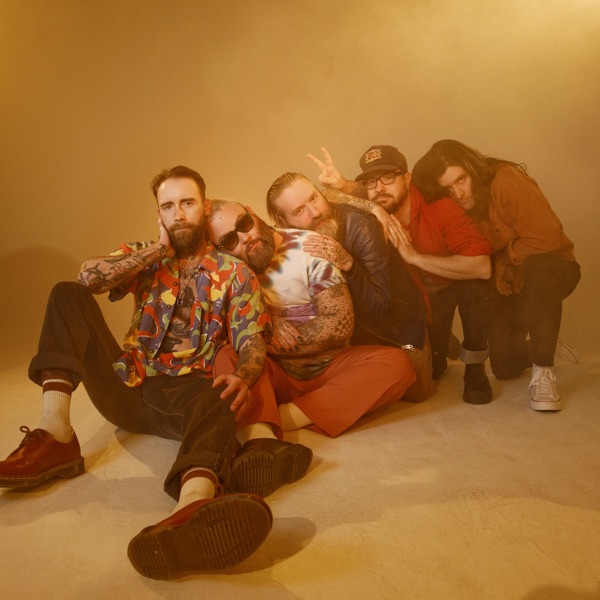
Alexisonfire
Canadian post‐hardcore band
St. Catharines, Canada · Formed 2001
Alexisonfire is a music group from St. Catharines, Canada, active since 2001. Their discography on Gatefold includes 16 records.
16
Albums tracked
142
In collections
2001
Since
Biography
Southern Ontario in 2001 was crawling with garage bands trying to copy Thursday, but these guys figured out a lethal dynamic: George Pettit screaming his lungs inside out while Dallas Green dropped pure folk-soul vocal hooks right down the center. Add Wade MacNeil's rough bark, and they had three distinct vocal registers fighting for space across every track. The self-titled debut in 2002 was frantic, messy, and blew the doors off the Canadian scene because nobody else balanced raw screamo violence with stadium-sized melodic chops that cleanly. Then things got heavy. They ditched the jagged mathy transitions on Watch Out! and Crisis, locking in Jordan Hastings behind the kit and writing straight-up anthems that dominated rock radio up north without softening the blows. By the time Old Crows hit in 2009, Pettit had traded his high-pitched shriek for a guttural roar, and the band leaned hard into bruising post-hardcore grooves. They burned out, split when Green's acoustic solo project blew up into arenas, and stayed gone until 2022's Otherness proved they could still deliver massive, spacey heavy rock on their own terms.
Bio from The Clerk
The Arc of Alexisonfire
The pivots — what forced Alexisonfire to reinvent.
The Three-Headed Monster
The 2002 self-titled record landed like a brick through a window, driven by the jarring collision of Pettit's raw shriek and Green's silky hooks. Tracking Watch Out! in 2004 dialed back the chaos just enough to let the songwriting breathe, bringing MacNeil's gravelly backing vocals deeper into the mix. You hear it on tracks like 'Accidents,' where sharp post-hardcore riffs snap into massive vocal harmonies without losing an ounce of sweat.
The Crisis Arena Run
Bringing in Jordan Hastings on drums locked down the rhythm section and set the stage for 2006's Crisis, a record engineered for maximum impact. They dropped the quirky indie arrangements in favor of relentless driving tempos and dark, urgent lyricism. The title track and 'This Could Be Anywhere in the World' turned them into massive headliners across Canada and the UK, proving screamo dynamics could fill hockey arenas without turning into pop-punk.
The Heavy Pivot and the Breakup
By 2009's Old Crows / Young Cardinals, Pettit had blown out his high screech and rebuilt his voice into a burly, throat-shredding bark. The guitars got thicker, the tempos turned into mid-paced stompers, and the songwriting leaned into blue-collar punk urgency over melodic catharsis. The band hit a wall under touring burnout and divergent side projects, walking away after a farewell run in 2012 that felt like a permanent burial.
The Cosmic Reunion
A decade after calling it quits, they returned to the studio with zero outside pressure and cut 2022's Otherness. They leaned into heavy psych textures, synthesizer beds, and sprawling song structures that gave Green and Pettit room to stretch out. The record sounds like a veteran band playing entirely for themselves, trading frantic youth for heavy, layered atmosphere.
Influences
- Fugazi — The band has repeatedly cited Ian MacKaye and Guy Picciotto's dynamic as the gold standard for dual-vocal tension and uncompromised post-hardcore ethics. You hear it in the interlocking rhythms and jagged guitar interplay all over their 2002 debut. It gave them a blueprint for being ferocious without falling into metalcore clichés.
- Refused — Dennis Lyxzén's explosive delivery on The Shape of Punk to Come directly informed Pettit's chaotic, mic-swallowing live vocal style. You hear that frantic Swedish hardcore energy tearing through the verses of early cuts like '.44 Caliber Love Letter.' It is the raw ignition behind their early sound.
- Hot Water Music — Chuck Ragan's raspy, throat-tearing delivery was a massive touchstone for Wade MacNeil's vocal approach and rhythm guitar work. You can hear that gritty Gainesville punk energy all over Watch Out! and Crisis. It grounded the band in blue-collar aggression whenever the melodies got too sweet.
- Thursday — Geoff Rickly's outfit opened the floodgates for early-2000s post-hardcore by pairing visceral screaming with soaring, emotionally heavy vocal hooks. Alexisonfire took that dynamic and weaponized it with three distinct vocalists sharing the mic. You hear that late-90s basement-show tension all over their Math Sheet Demos.
- Neil Young — Dallas Green has never hidden his obsession with Crazy Horse and Young's melancholic, open-chord acoustic songwriting. You hear that classic Canadian folk DNA sneaking into Green's melodies and chord voicings on tracks like 'Rough Hands.' It provided the soulful counterweight to Pettit's hardcore rage.
Discography
Their records — most-collected first.

Alexisonfire
2002

Old Crows / Young Cardinals
2009
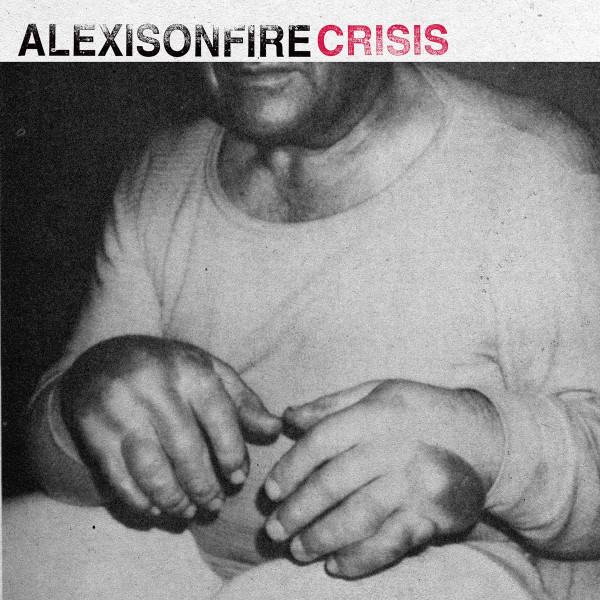
Crisis
2006
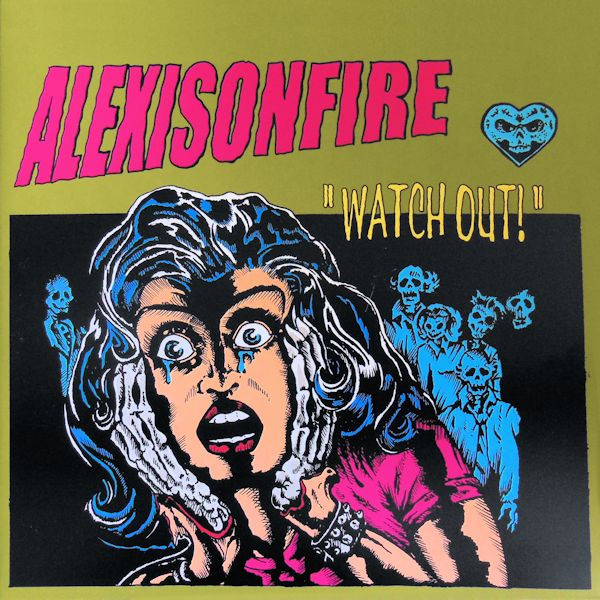
Watch Out!
2004
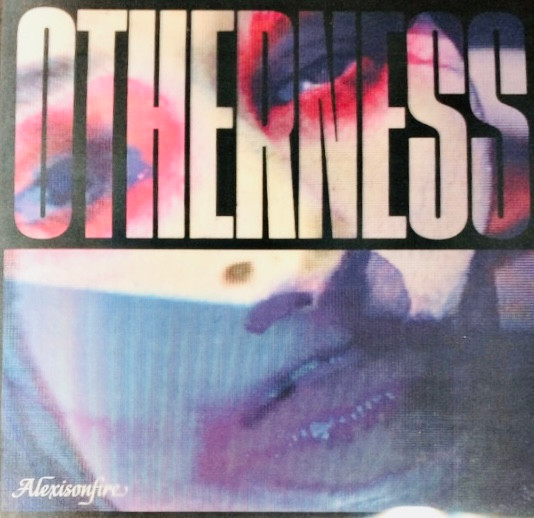
Otherness
2022

Split EP
2005

Season Of The Flood
2020

Dogs Blood
2010

Live (Born & Raised 2022, St Catharines ON)
2024

Complicit
2019

Live At Copps
2016

Death Letter
2012

Copies of Old Masters: Volume 1
2025

House of Strombo (Live In Toronto, ON 2019)
2025

Familiar Drugs
2019

Young Cardinals (Live in Toronto 12-29-2012)
2016
Related artists
Around the web
Follow every record they touch.
Start your shelf and Gatefold tracks Alexisonfire's new pressings, tour dates, and the whole discography — automatically.
Start your shelf →Free forever. Works with 10 records or 10,000.