
Artist
The Alan Parsons Project
Glasgow, United Kingdom · 1975 – 1987
The Alan Parsons Project is a music group from Glasgow, United Kingdom, active 1975–1987. Their discography on Gatefold includes 24 records.

35
Albums tracked
494
In collections
1975
Since
Biography
Alan Parsons was the kid behind the board for Abbey Road and Let It Be before he was even old enough to buy a pint. He was the one who dragged those alarm clocks into the studio for Pink Floyd’s 'Time' and engineered Dark Side of the Moon until it sounded like the future. By 1975, he was sick of making other people look like geniuses, so he teamed up with Eric Woolfson—a lawyer who could actually write a hook—to turn the producer into the star. They weren’t a band; they were a corporate entity with a rotating door of session killers and a budget that could buy a small island. They treated the studio like a laboratory and the listener like a mark. It was high-concept prog for people who liked clean carpets and expensive hifi systems. Every record had a theme, a vocoder, and a pristine drum sound that made everything else on the radio in the late '70s sound like it was recorded in a trash can. They hit the ceiling with Eye in the Sky, but once the mid-'80s hit, the high-concept stuff started feeling like a brochure for a digital watch. They stopped being architects and started being interior decorators.
Bio from The Clerk
The Arc of The Alan Parsons Project
The pivots — what forced The Alan Parsons Project to reinvent.
The Abbey Road Blueprint
After clocking thousands of hours at EMI, Parsons took the conceptual density of late-era Beatles and the technical precision of Pink Floyd to build his own sandbox. Tales of Mystery and Imagination wasn't just an album; it was a demonstration of what happens when the engineer stops taking orders from the talent. You hear it in the orchestration and the obsessive layering that made 1976 feel like 1986. They proved you didn't need a frontman if you had enough outboard gear and a stack of Poe paperbacks.
The Pop Pivot
By the time The Turn of a Friendly Card rolled around in 1980, the sprawling prog suites started shrinking into tight, radio-ready gold. Woolfson took a more prominent role in the songwriting, moving the needle away from avant-garde tinkering toward the soft-rock sophistication that would define Eye in the Sky. The lushness remained, but the focus shifted to choruses that could survive on an AM dial. It was the sound of two guys realizing they could be the most successful pop group on earth without ever playing a live show.
The Fairlight Burnout
The mid-'80s transition into albums like Stereotomy saw the project leaning hard into the emerging digital technology of the Fairlight CMI. The warmth of the early analog sessions was swapped for a jagged, sterile precision that reflected the cold aesthetics of the era. Tensions between Parsons and Woolfson began to fracture the partnership as the concept albums started feeling like obligations rather than inspirations. By Gaudi, the project was running on fumes, eventually collapsing under the weight of the unreleased Sicilian Defence contract dispute.
Influences
- The Beatles — Parsons started as an assistant engineer on Abbey Road and Let It Be, learning George Martin’s technique of treating the studio as an instrument. You hear this in the symphonic arrangements and the way he treats vocal harmonies as structural blocks rather than just melody. Without Martin’s toolkit, there is no Project.
- Pink Floyd — Parsons was the lead engineer for Dark Side of the Moon and explicitly tried to carry that record's sonic DNA into I Robot. The use of repetitive synthesizers and found-sound textures is a direct lift from his work with Waters and Gilmour. He essentially took the Floyd sound and removed the psychedelic dread.
- Edgar Allan Poe — The entire debut album is a thematic adaptation of Poe’s work, which set the standard for Woolfson’s obsession with high-concept narrative arcs. The gothic atmosphere on 'The Tell-Tale Heart' isn't just a vibe; it's a literal translation of the text into a rock session. It established the Project's identity as 'literary rock' for the thinking man.
- Wendy Carlos — Carlos's Switched-On Bach proved that synthesizers could be used for complex, classical-style arrangements rather than just weird noises. Parsons adopted this surgical approach to electronic layering, especially on the instrumental tracks that open almost every record. It’s the bridge between pure Moog geekery and pop sensibility.
- The Zombies — Parsons engineered Odessey and Oracle at Abbey Road, and you can hear Rod Argent’s baroque-pop influence all over the Project's softer moments. The focus on lush, sophisticated melodic structures in songs like 'Old and Wise' traces back to that late-60s British pop sophistication. It gave their prog-rock a much-needed human pulse.
Discography
Their records — most-collected first.
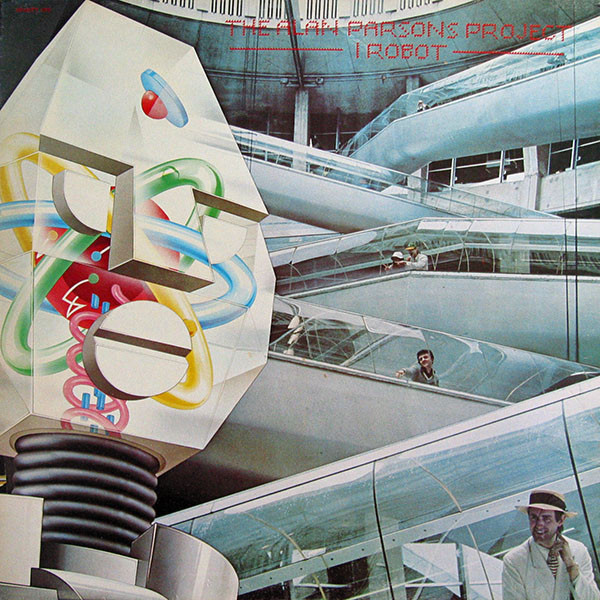
I Robot
1977
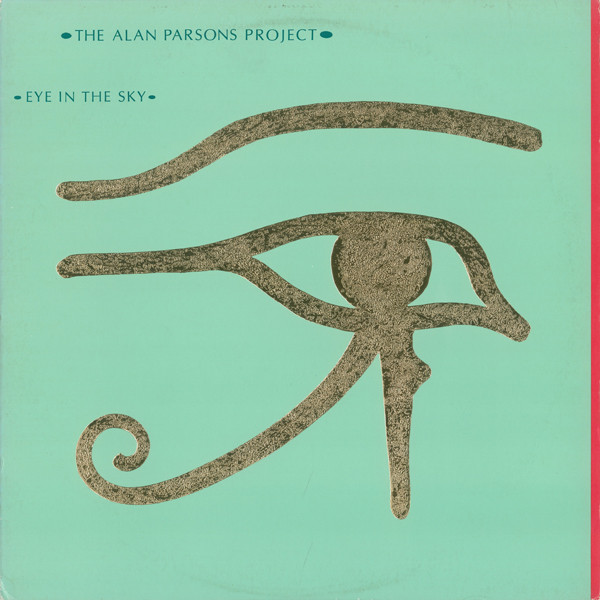
Eye In The Sky
1982
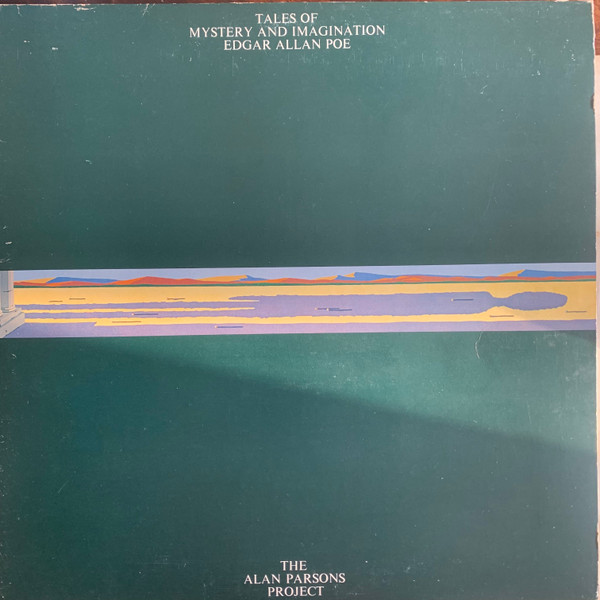
Tales Of Mystery And Imagination
1976
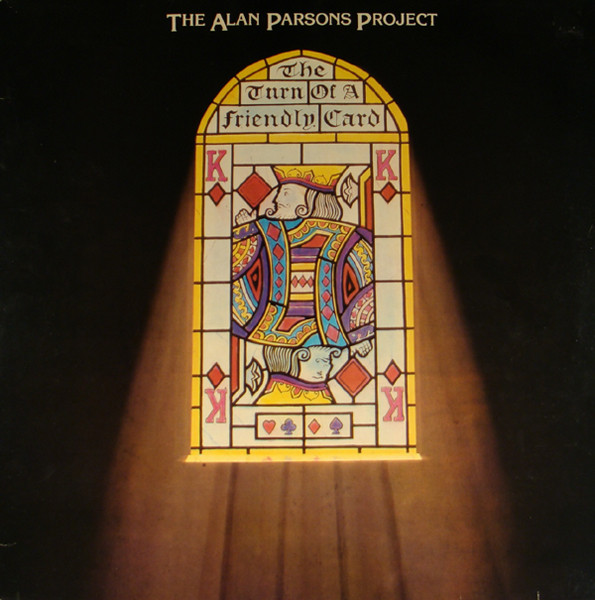
The Turn Of A Friendly Card
1980
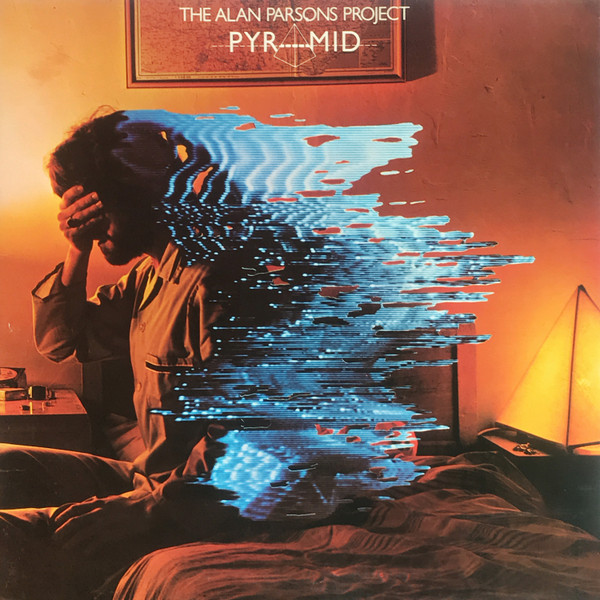
Pyramid
1978
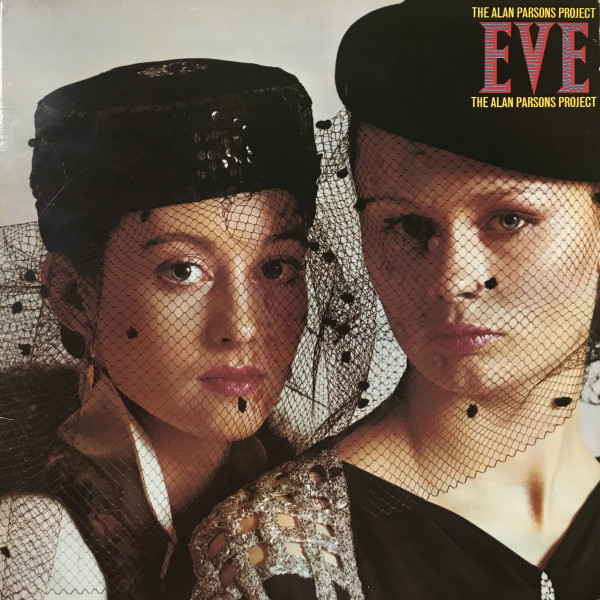
Eve
1979
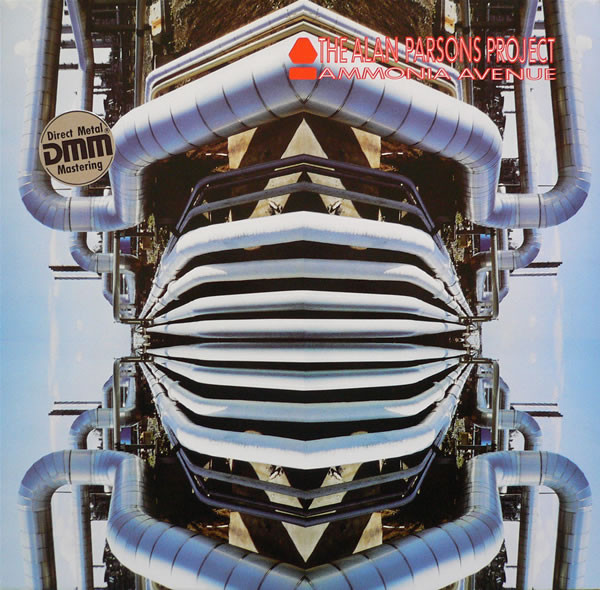
Ammonia Avenue
1984
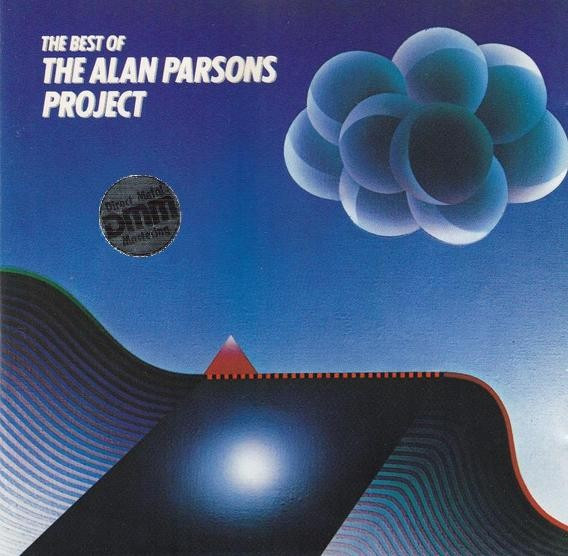
The Best Of The Alan Parsons Project
1983

Vulture Culture
1985

Gaudi
1987
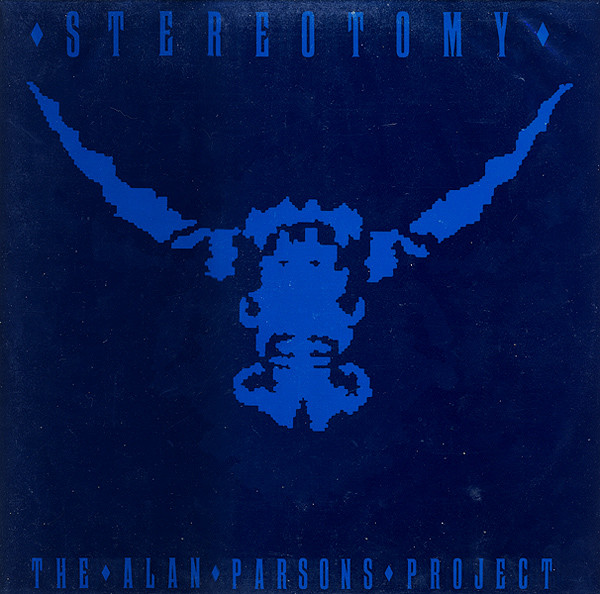
Stereotomy
1985

Eye In The Sky: The Encore Collection
1999

The Definitive Collection
1997

The Instrumental Works
1988
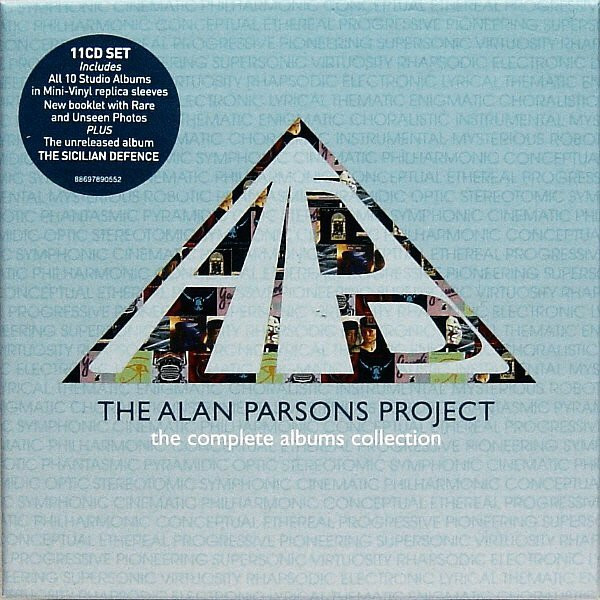
The Complete Albums Collection
2014
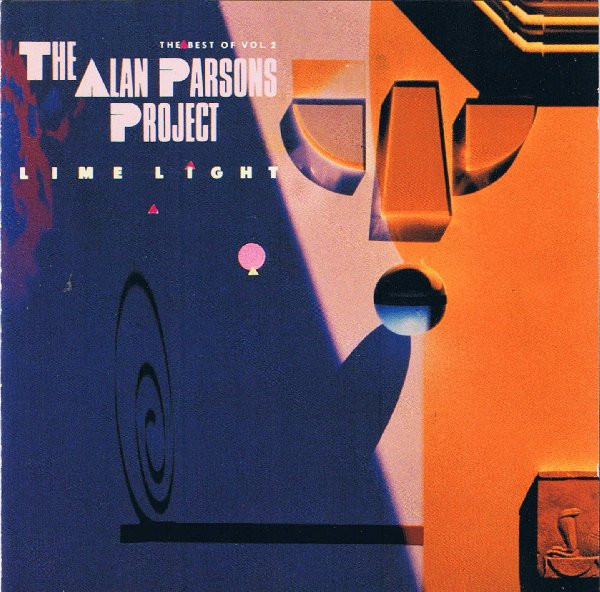
Limelight (The Best Of Vol. 2)
1987

Standing On Higher Ground
1987
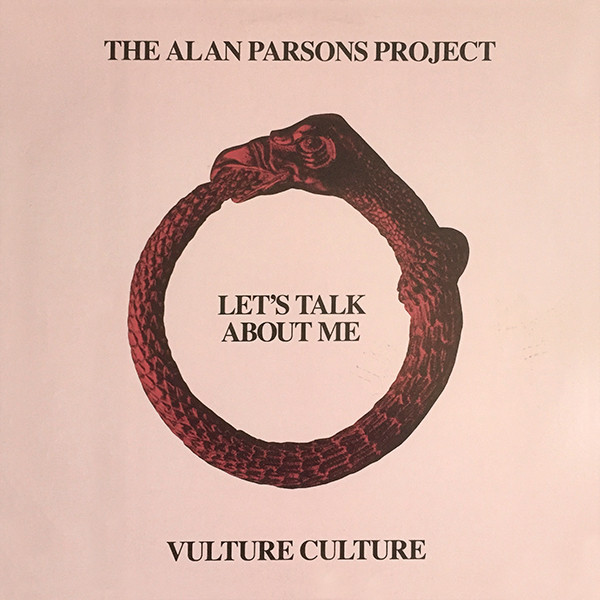
Let's Talk About Me
1985

Don't Answer Me
1984

Eye In The Sky
1982

Lucifer
1979
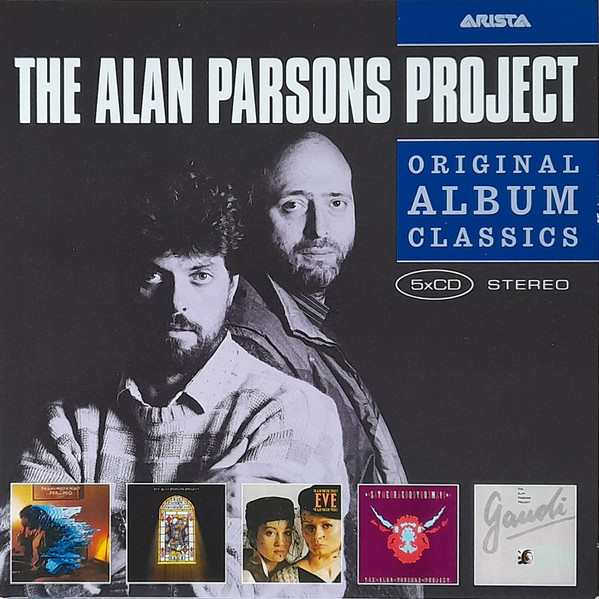
Original Album Classics

Playlist: The Very Best Of The Alan Parsons Project
2013

The Collection
2010
Related artists
Around the web
Follow every record they touch.
Start your shelf and Gatefold tracks The Alan Parsons Project's new pressings, tour dates, and the whole discography — automatically.
Start your shelf →Free forever. Works with 10 records or 10,000.