
Artist
Alabama
Fort Payne, United States · Formed 1969
Alabama is a music group from Fort Payne, United States, active since 1969. Their discography on Gatefold includes 24 records.

45
Albums tracked
133
In collections
1969
Since
Biography
They spent years playing for tips at the Bowery in Myrtle Beach, changing their name from Wild Country because they needed a clean break from the bar-band grind. Randy Owen, Teddy Gentry, and Jeff Cook were cousins who actually grew up on sharecropper farms in Lookout Mountain. That background wasn't some marketing department invention. By the time they signed with RCA in 1980, they had a secret weapon in drummer Mark Herndon, whose arena-rock power gave them a heavy, driving bottom end that country radio had never seen. Harold Shedd produced their massive run of eighties records, dialing in a slick but muscular sound that pissed off Nashville purists who hated seeing a self-contained band play their own instruments on record. Alabama bypassed the traditional studio system entirely. They took the triple-harmony vocal stack of southern gospel and slapped it on top of Lynyrd Skynyrd's rhythm section. It was commercial as hell, but it was honest, working-class music made by guys who spent a decade hauling their own gear in a beat-up van. They eventually ran out of gas in the nineties when the production got too soft and the material became bloated. The edge was gone, replaced by adult-contemporary ballads that lost the dirt-road grit of their early catalog. Still, they laid the foundation for the entire modern country-stadium industry. You don't get the nineties boom without them.
Bio from The Clerk
The Arc of Alabama
The pivots — what forced Alabama to reinvent.
The Bowery Hustle
Before the RCA deal, they were a sweaty bar band surviving on pitcher tips and playing six nights a week at the Myrtle Beach tourist trap. They cut independent records like Wild Country and Deuces Wild with barely any budget, capturing a raw, road-hardened sound dominated by Jeff Cook's blistering lead guitar work. You hear a band fighting for their lives on these early cuts, stripped of any Nashville studio polish. It is loud, unrefined, and heavily indebted to southern rock.
The Harold Shedd Era
RCA paired the band with producer Harold Shedd, a move that redefined the sonic limits of country radio starting with 1980's My Home's in Alabama. Shedd figured out how to harness Mark Herndon's massive rock drumming without losing the acoustic warmth of the group's mountain harmonies. This run of multi-platinum albums like Mountain Music and Feels So Right dominated the decade by combining stadium-rock dynamics with traditional bluegrass elements. The guitars were louder, the hooks were massive, and the traditionalists were terrified.
The Pop-Country Decline
By the late eighties and early nineties, the band's innovative edge began to freeze over into a predictable, over-produced formula. Albums like Just Us and Pass It On Down relied heavily on outside songwriters and lost the grit of their self-penned early material. The production turned slick and digital, burying Cook's guitar work under layers of soft-rock keyboards. It was the sound of a band exhausted by the grind of relentless touring and corporate pressure to maintain their chart-topping streak.
Influences
- The Carter Family — The band has cited the legendary Appalachian group as the foundation of their vocal arrangements. You hear this direct influence in the close-knit, three-part family harmonies shared between Randy Owen, Teddy Gentry, and Jeff Cook on tracks like 'My Home's in Alabama'.
- The Marshall Tucker Band — Alabama opened for them during their early touring days and openly modeled their blend of country songwriting and southern rock jam dynamics on the group. The driving flute-and-guitar interplay of Marshall Tucker directly inspired the country-rock instrumental breaks on 'Mountain Music'.
- Eagles — The band frequently credited the California country-rock pioneers with showing them how to blend rock rhythms with country vocals. The smooth vocal stacks and acoustic-electric guitar layering on 'Feels So Right' are a direct nod to the production style of 'Lyin' Eyes'.
- Merle Haggard — Randy Owen grew up studying Haggard's blue-collar songwriting, and Alabama later recorded 'Sing Me Back Home' as a tribute. The working-class themes in '40 Hour Week (For a Livin')' carry the exact same dust-blown, populist perspective of Haggard's late-sixties catalog.
- The Oak Ridge Boys — The gospel-quartet-turned-country-hitmakers paved the way for Alabama's commercial crossover by proving four-part vocal harmony could top the country charts. Alabama adapted their gospel vocal arrangements and energetic stage presence to fit a self-contained rock-band format.
Discography
Their records — most-collected first.

Roll On
1984
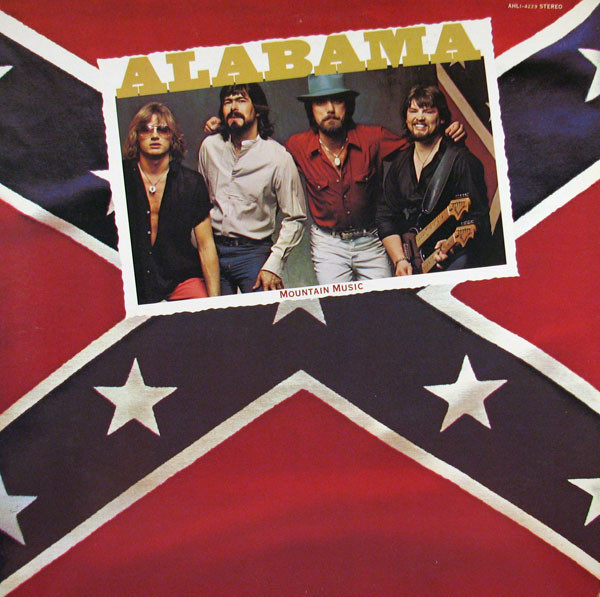
Mountain Music
1982

Feels So Right
1981

Alabama Greatest Hits
1986

The Closer You Get...
1983
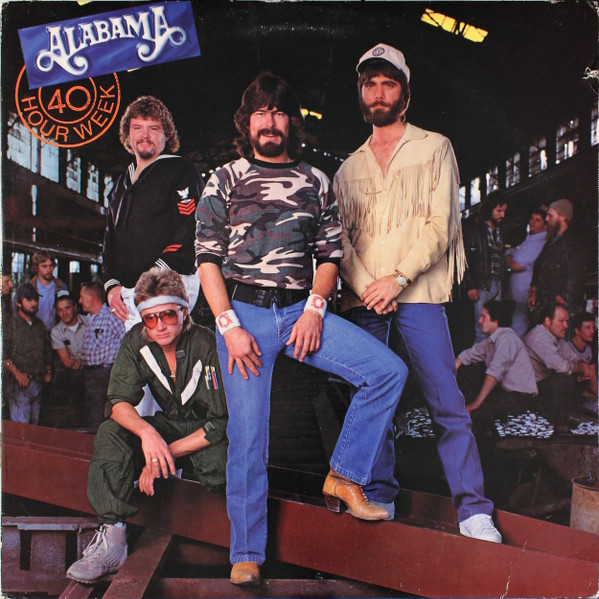
40 Hour Week
1985
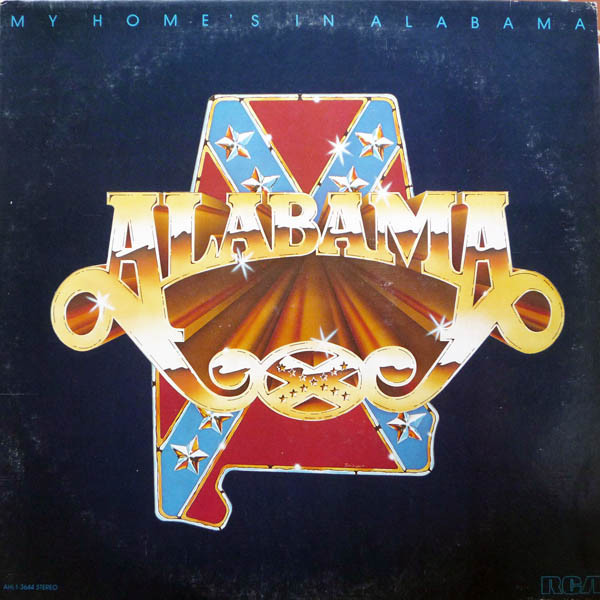
My Home's In Alabama
1980

Southern Star
1989

Alabama Live
1988

Christmas
1985
16 Biggest Hits
2007

The Touch
1986
Ultimate Alabama 20 #1 Hits
2004
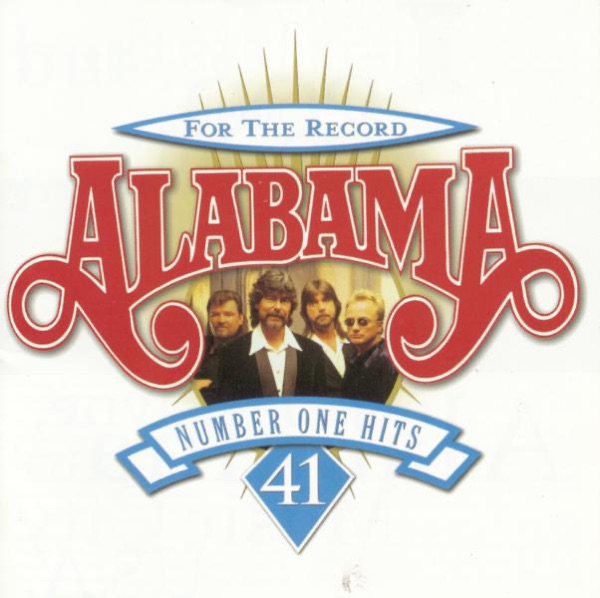
For The Record
1998

Jukebox In My Mind
1990

Just Us
1987

Roll On (Eighteen Wheeler)
1984

Dixieland Delight
1983

Mountain Music
1982

Take Me Down
1982

American Christmas
2017

Songs Of Inspiration
2006

The Essential Alabama
2005

Feels So Right
1981
Related artists
Frequent collaborators
Around the web
Follow every record they touch.
Start your shelf and Gatefold tracks Alabama's new pressings, tour dates, and the whole discography — automatically.
Start your shelf →Free forever. Works with 10 records or 10,000.