
Artist
Agoraphobic Nosebleed
United States grindcore
Springfield, United States · Formed 1994
Agoraphobic Nosebleed is a music group from Springfield, United States, active since 1994. Their discography on Gatefold includes 16 records.

16
Albums tracked
31
In collections
1994
Since
Biography
Scott Hull built this whole enterprise on an Alesis drum machine programmed past the point of mechanical failure. No human drummer on earth could track the tempos he was writing in the mid-nineties, so he bypassed the flesh-and-blood drama entirely. Just digital pads clocked to impossible BPMs, down-tuned riffing that sounded like a table saw chewing through scrap iron, and Jay Randall barking through broken electronics. They cut splits for every basement label with a printing budget, treating the studio console like a tactical weapon rather than an instrument. Most bands who lean on programmed beats sound sterile or lazy. Agoraphobic Nosebleed did the opposite: they weaponized the digital clock to build something truly hostile. It wasn't until Katherine Katz joined up in the late 2000s that the damn thing mutated into an actual vocal polyphony, bouncing between four distinct growls and shrieks over thrash breaks. Then, right when everyone expected them to blast forever, Hull slammed the brakes and dragged them into twenty-minute sludge dirges. Love them or hate them, nobody else survived two decades of cybergrind without turning into a fucking circus act.
Bio from The Clerk
The Arc of Agoraphobic Nosebleed
The pivots — what forced Agoraphobic Nosebleed to reinvent.
The Drum Machine Assault
Hull and Randall kicked things off by discarding the idea of a live rhythm section entirely. Armed with cold-blooded drum programming, they unloaded rapid-fire splits before dropping Honky Reduction on Relapse in 1998. The tracks rarely crossed the one-minute mark, running strictly on pure speed, tape hiss, and violent sample collages. It established a blueprint where the hardware wasn't an imitation of a drummer, but a machine designed to punish the speakers.
One Hundred Tracks in Twenty Minutes
Lineup expansions brought bassist Richard Johnson into the fold alongside guest screams from J.R. Hayes on The Poacher Diaries, pushing their studio density to the limit. The experimentation hit a ridiculous peak with 2003's Altered States of America, packing 100 complete micro-tracks into under twenty-two minutes of digital madness. It felt less like a traditional metal record and more like someone slamming the scan button on a shortwave radio trapped in a slaughterhouse. They pushed pure kinetic velocity so far into the red that there was nowhere left to go without changing the formula.
The Four-Headed Vocal Shift
Bringing in Katherine Katz from Salome alongside Richard Johnson and Jay Randall gave the band a lethal vocal rotation, transforming their sound on 2009's Agorapocalypse. Hull loosened the digital grip just enough to let early thrash metal and crossover hardcore riffs breathe between the blastbeats. It sounded tighter and punchier than their chaotic early material without sacrificing an ounce of bite. The record proved they could write actual verse-chorus arrangements and still peel the paint off the room.
Influences
- Godflesh — Justin Broadrick's use of an Alesis drum machine on Streetcleaner is the direct mechanical blueprint for Scott Hull's entire rhythm section setup. You hear that cold, industrial clatter underneath every blastbeat on Honky Reduction. Hull later pulled Broadrick in to remix tracks for the PCP Torpedo re-release.
- Napalm Death — The micro-song structure and grindcore framework come straight from the Side A tracklist of 1987's Scum. You hear it across Altered States of America, where tracks clock in at five seconds flat with zero warning. Hull simply replaced the blastbeats of Mick Harris with digital perfection.
- Assück — Assück set the gold standard for blisteringly tight Florida grindcore that cut out all thrash metal bloat on records like Anticapital. Hull modeled the relentless, stop-start guitar riffing and economic bass runs on their stripped-down attack. It's the reason ANb tracks never linger on a single riff longer than eight bars.
- Dropdead — The early 90s Rhode Island powerviolence outfit showed that total hardcore aggression could survive on independent micro-splits and sheer attitude. Agoraphobic Nosebleed borrowed their blitzkrieg tempos and raw feedback transitions on early seven-inch splits. It kept their early Relapse sides sounding like basements rather than polished studio jobs.
- Siege — Dropcharge tempos and uncontrolled vocal freakouts were invented by this Boston crew back in 1984 on their Drop Dead demo. You can hear that proto-grind panic in Jay Randall's high-register screaming and the sudden speed spikes throughout Honky Reduction. Without Siege stripping punk of its manners, Hull's programmed blasts wouldn't have a genre to live in.
Discography
Their records — most-collected first.
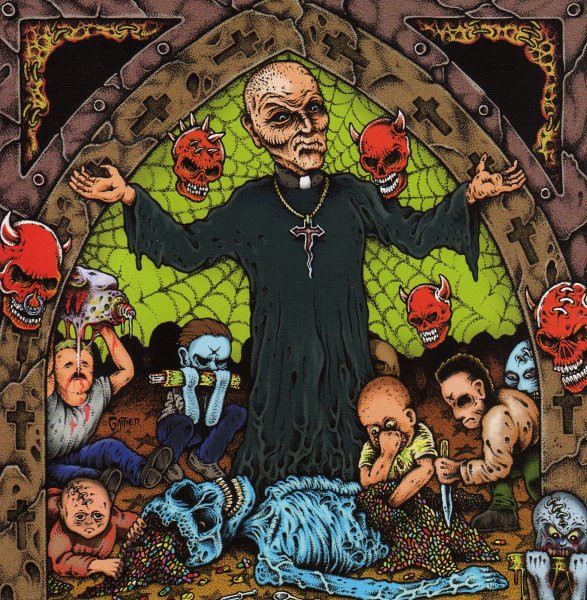
Altered States Of America
2003

The Poacher Diaries
1999
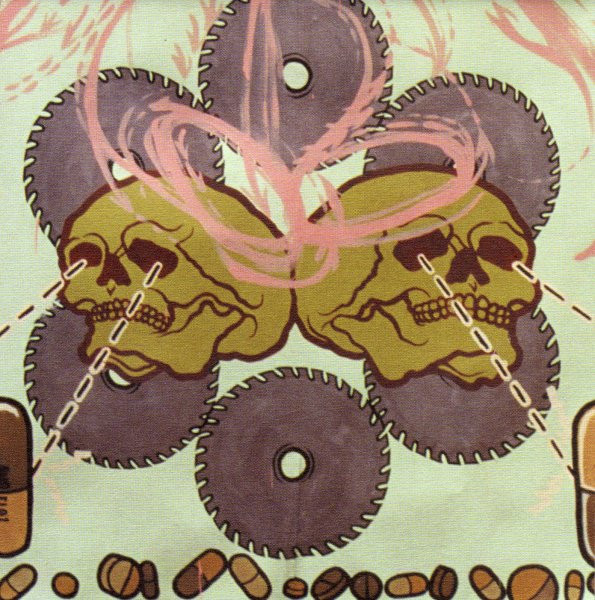
Frozen Corpse Stuffed With Dope
2002

Arc
2016

Agorapocalypse
2009

A Clockwork Sodom / Tentacles Of Destruction
2007

PCP Torpedo / ANbRX
2006

Bestial Machinery (ANb Discography Vol 1)
2005

ANBRx Pharmaceuticals II
2011
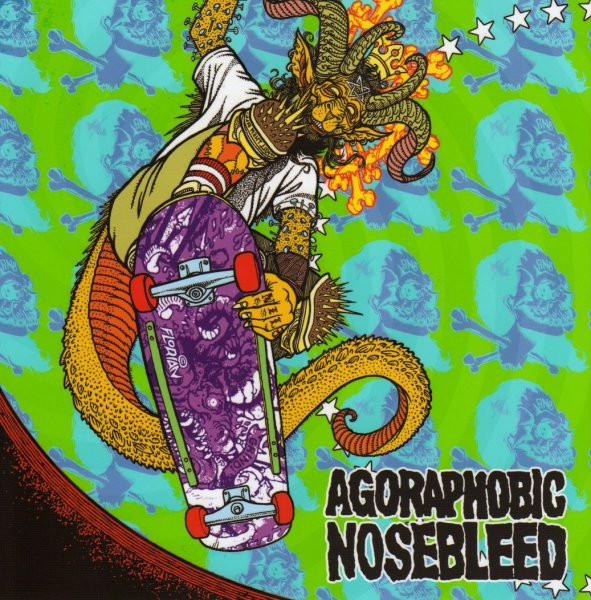
Frontside Nosegrind EP
2009

Domestic Powerviolence
2007

Honky Reduction
1998

PCP Torpedo
1998

30 Song Demo
1995

Make A Joyful Noise
2011

Agoraphobic Nosebleed
1997
Related artists
Around the web
Follow every record they touch.
Start your shelf and Gatefold tracks Agoraphobic Nosebleed's new pressings, tour dates, and the whole discography — automatically.
Start your shelf →Free forever. Works with 10 records or 10,000.