
Artist
Accept
Solingen, Germany · Formed 1971
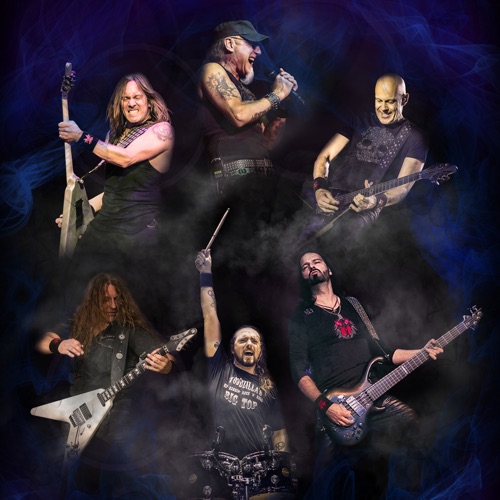
Accept is a music group from Solingen, Germany, active since 1971. Their discography on Gatefold includes 24 records.
37
Albums tracked
95
In collections
1971
Since
Biography
They cut their self-titled debut in late '78 with a line-up that was still half-baked, but the real trouble started when the label forced them to record a rejected AC/DC track called "I'm a Rebel" for their second album. It was written by Alex Young, brother of Angus and Malcolm. The band hated doing it. That corporate-mandated pop-metal push almost killed them before they even started, but it forced a massive defensive reaction. By the time they locked themselves into Delta Studio in Wilster to record Breaker in 1981, they took complete control of their sound, engineered by Dirk Steffens, and vowed never to let a label dictate their direction again. Then came the absolute golden run of Restless and Wild and Balls to the Wall. Wolf Hoffmann's razor-sharp Gibson Flying V tones and Udo Dirkschneider's rusted-nail vocals created a blueprint that was heavier than British NWOBHM and faster than traditional hard rock. They became the metallic heart of Solingen, Germany, using classical music motifs as building blocks for absolute street-level aggression. When producer Dieter Dierks got involved, they reached massive commercial heights, but the friction between international arena-rock ambitions and raw Teutonic grit eventually tore the band's classic lineup apart. They spent the late eighties and nineties in a tailspin of singer swaps, bad commercial decisions, and half-hearted reunions. Replacing Udo with American vocalist David Reece for Eat the Heat in 1989 was a disaster that alienated the core fanbase with slick, radio-friendly hair metal. It took decades of lineup shuffling and a long hiatus to realize that the band's power lay in that precise, double-bass-driven European gallop, leading to a massive second-life resurrection in the 21st century.
Bio from The Clerk
The Arc of Accept
The pivots — what forced Accept to reinvent.
The Self-Determination Mutiny
After the label tried to mold them into a commercial hard rock act on I'm a Rebel, the band revolted during the 1981 Breaker sessions. Guitarist Wolf Hoffmann and bassist Peter Baltes took over the creative reins, rejecting outside songwriters entirely. The resulting record is incredibly pissed off, characterized by Udo's screeching delivery on tracks like 'Son of a Bitch' which was a direct middle finger to their management. This record established the template for the entire European power and speed metal scenes.
The Teutonic Speed Blueprint
In 1982, the band entered Dierks Studios to record Restless and Wild, introducing drummer Stefan Kaufmann's relentless double-bass drumming on the opening track 'Fast as a Shark'. This single recording session practically invented speed metal overnight. Hoffmann integrated classical scales into his solos, bridging the gap between heavy metal and classical discipline. The sound was dry, mechanical, and infinitely heavier than the blues-based metal coming out of the UK at the time.
The Arena Polish and Fracture
By 1985's Metal Heart, producer Dieter Dierks pushed the band toward a highly polished sound aimed directly at the American market. Hoffmann actively utilized classical pieces, explicitly interpolating Tchaikovsky and Beethoven into the guitar solos to stand out from the Sunset Strip crowd. While the album succeeded commercially, the compromise between Udo's harsh vocal style and the increasingly radio-friendly production created deep internal divisions. The tension culminated in Udo's departure to form U.D.O., ending the classic era of the band.
Influences
- AC/DC — The band's early career was heavily dictated by the Young family, culminating in Accept recording the Alex Young-penned song 'I'm a Rebel' in 1980. You can hear this influence in Peter Baltes's driving, non-flashy basslines and the band's reliance on simple, massive three-chord anthems. It is the raw, minimalist pub-rock structure upgraded with German industrial precision.
- Judas Priest — Accept toured Europe as the opening act for Judas Priest during the British Steel tour in 1980. This firsthand exposure to the twin-guitar attack of Tipton and Downing directly inspired Hoffmann and Jörg Fischer to lock their guitars into synchronized, heavy rhythm patterns. The influence is unmistakable on the sharp, metallic crunch of the 1981 album Breaker.
- Deep Purple — Wolf Hoffmann has repeatedly cited Ritchie Blackmore as his primary guitar hero, particularly Blackmore's neoclassical phrasing. This inspiration is directly audible in the classically structured guitar solos on 'Metal Heart', which famously quotes Beethoven's 'Für Elise'. It took Blackmore's hard-rock classical fusion and stripped away the blues elements for a colder, sharper attack.
- Sweet — Before they went pure metal, the band was obsessed with the heavy, aggressive glam rock of British bands like Sweet. Accept covered Sweet's 'Action' during their early years, and you can hear those massive, multi-tracked gang vocal harmonies all over the choruses of 'Balls to the Wall'. It is the secret pop-arrangement weapon behind their most famous metal anthems.
- Scorpions — As fellow German rock pioneers who paved the way internationally, Scorpions shared producer Dieter Dierks and studio spaces with Accept. The massive, dry drum sound and precise guitar tracking developed by Dierks for Scorpions became the exact technical blueprint Accept adopted to make their records sound world-class. It was the physical reality of the Cologne studio scene shaping their sonic standard.
Discography
Their records — most-collected first.
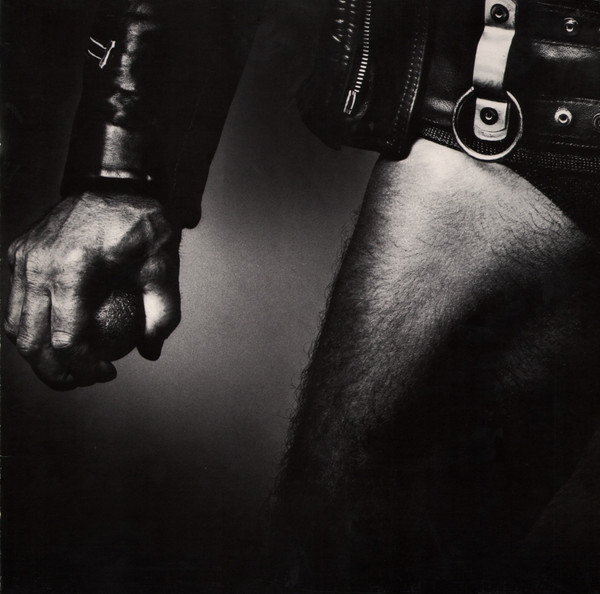
Balls To The Wall
1983
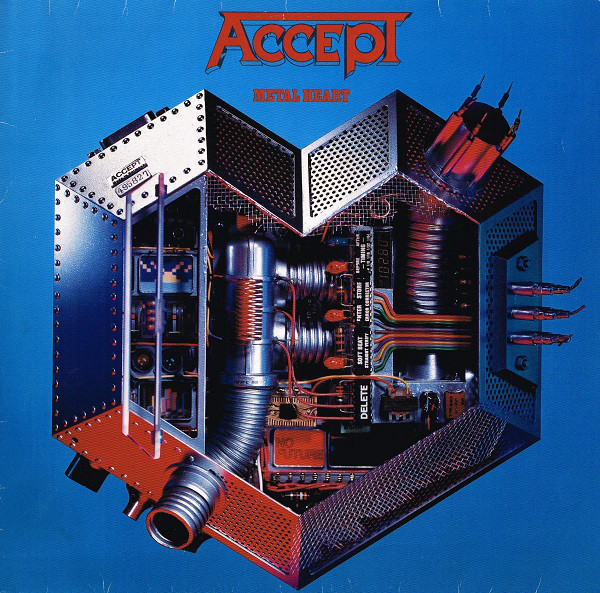
Metal Heart
1985
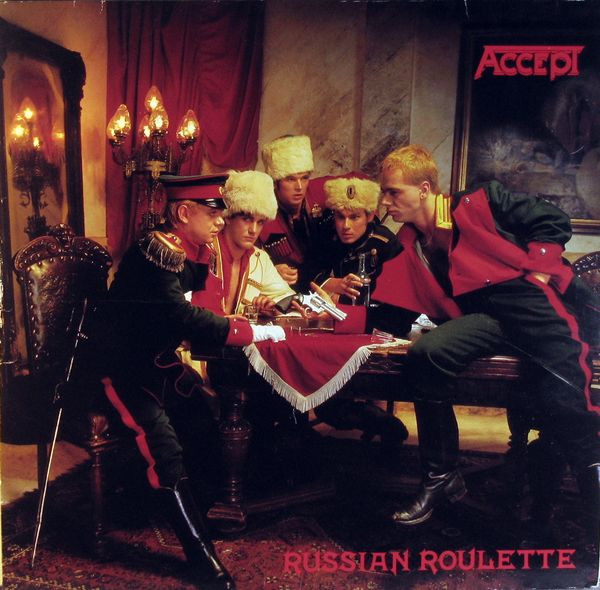
Russian Roulette
1986
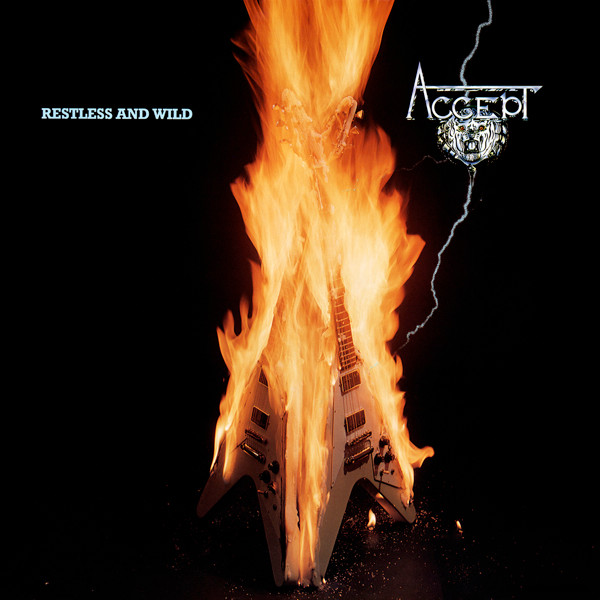
Restless And Wild
1982
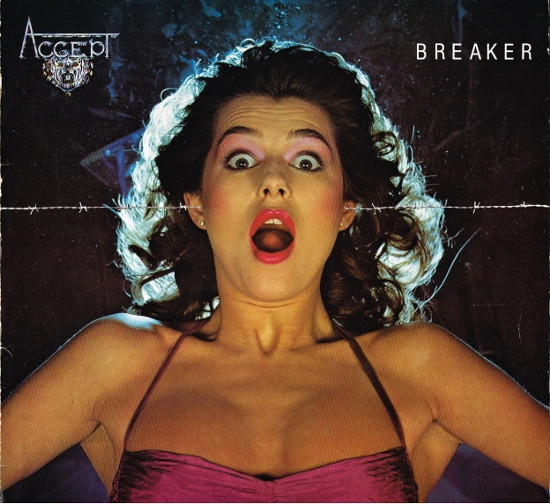
Breaker
1981
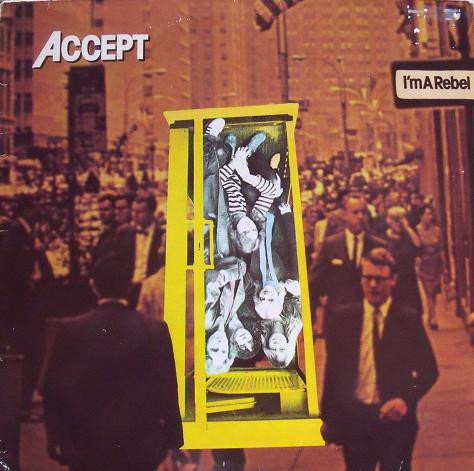
I'm A Rebel
1980
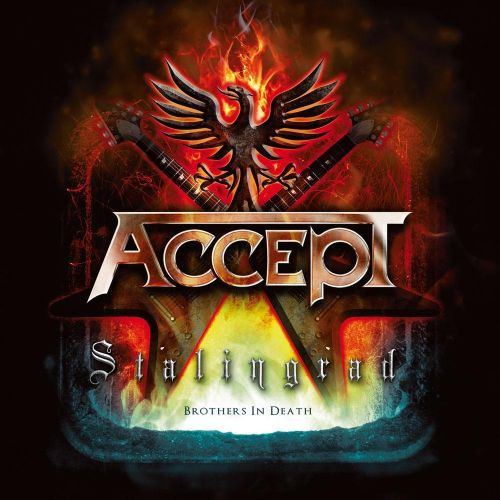
Stalingrad (Brothers In Death)
2012
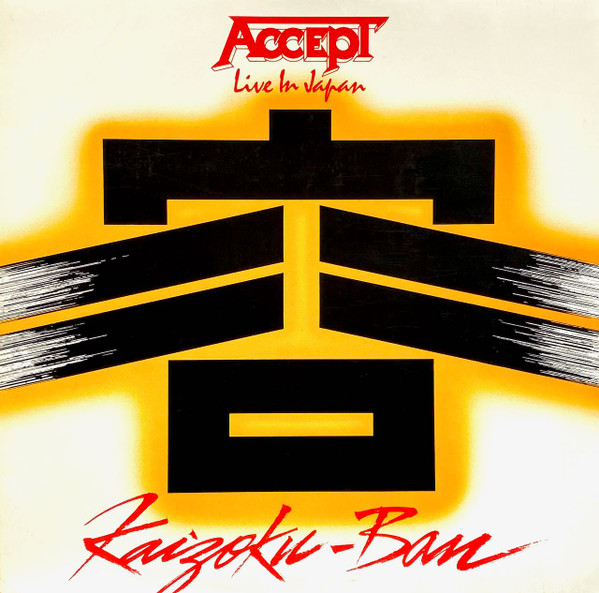
Kaizoku-Ban
1985
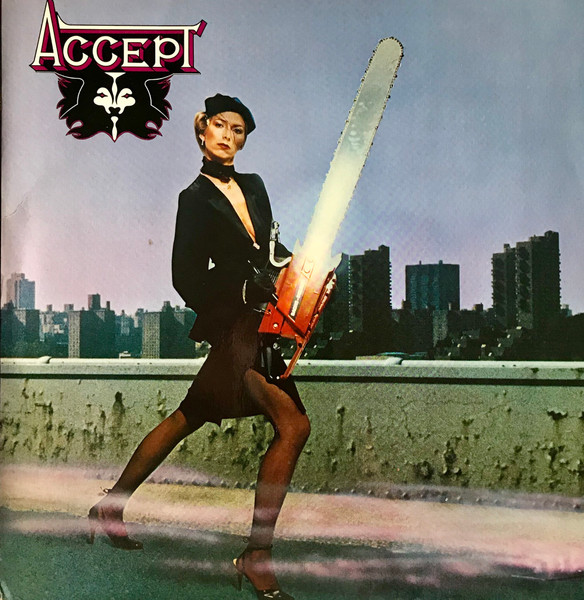
Accept
1979
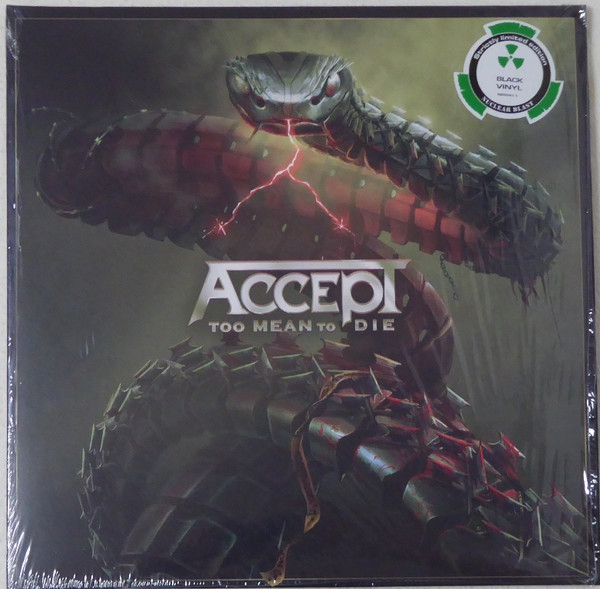
Too Mean To Die
2021
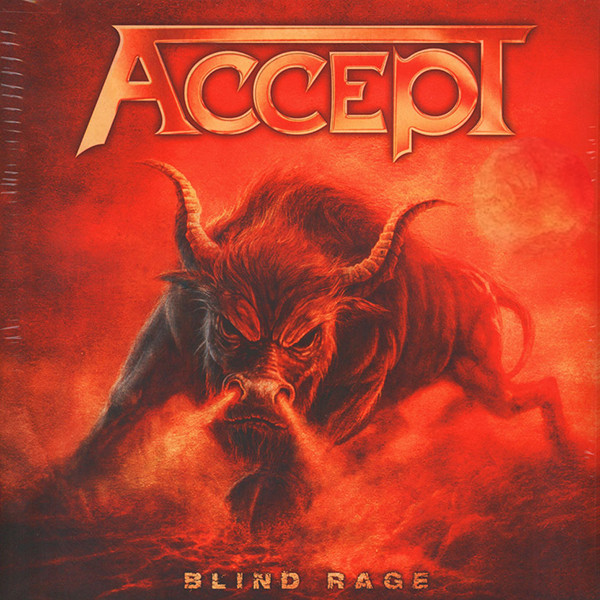
Blind Rage
2014
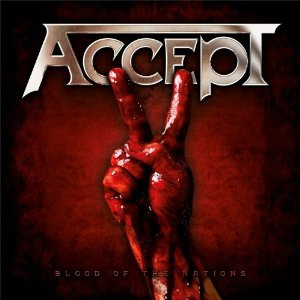
Blood Of The Nations
2010
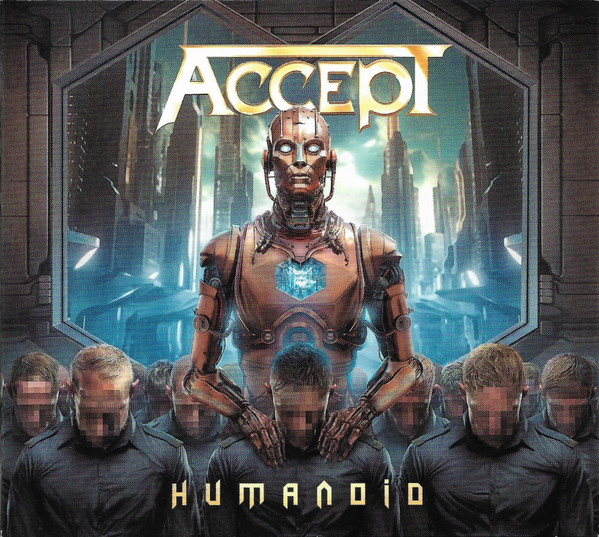
Humanoid
2024
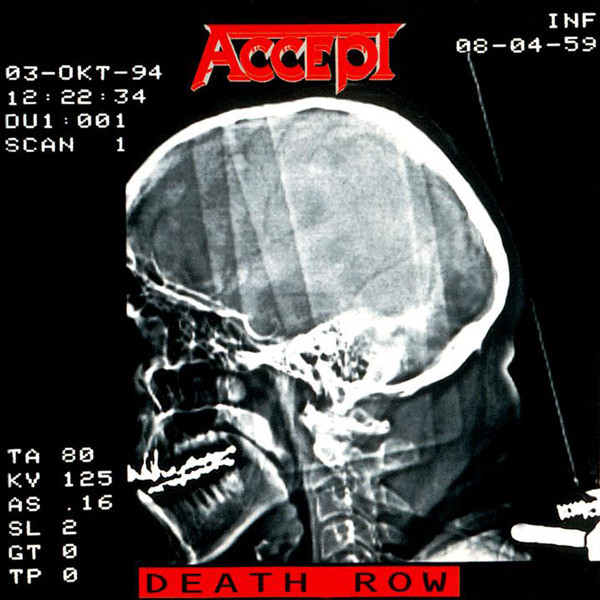
Death Row
1994
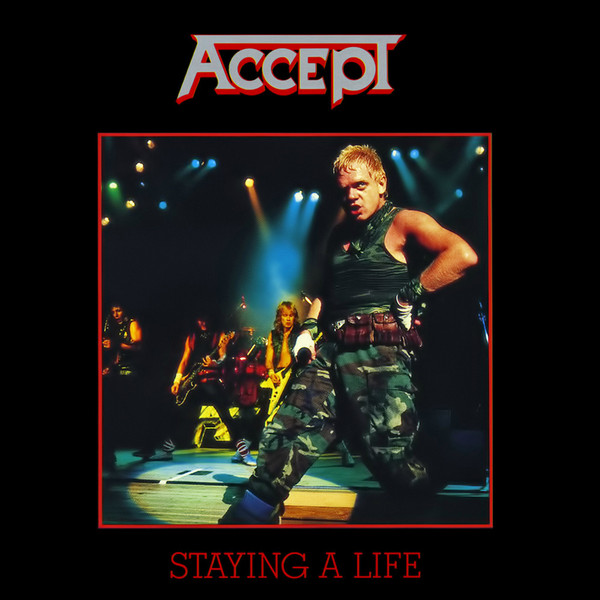
Staying A Life
1990
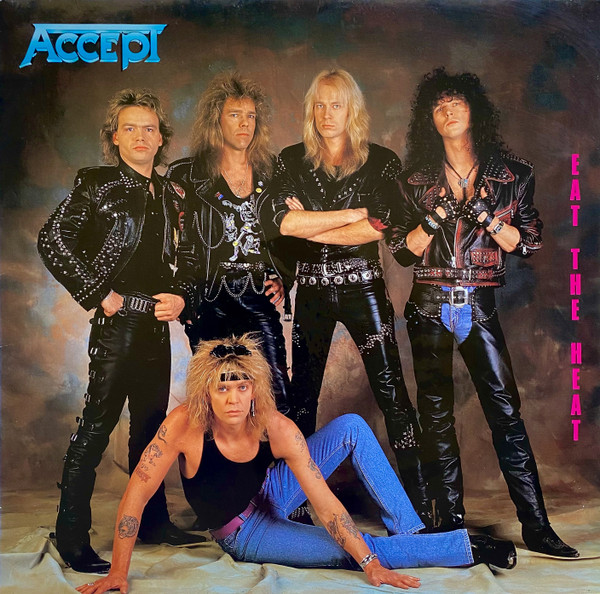
Eat The Heat
1989
The Rise Of Chaos
2017
Predator
1996
Objection Overruled
1993
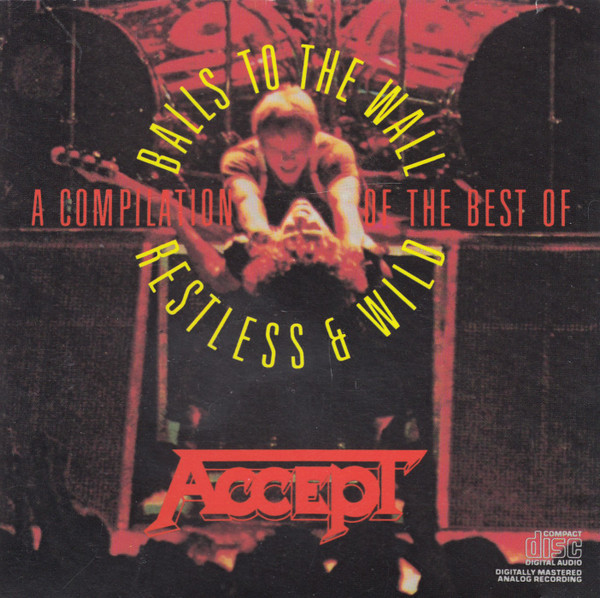
Restless And Wild / Balls To The Wall
1990

Balls To The Wall
1984
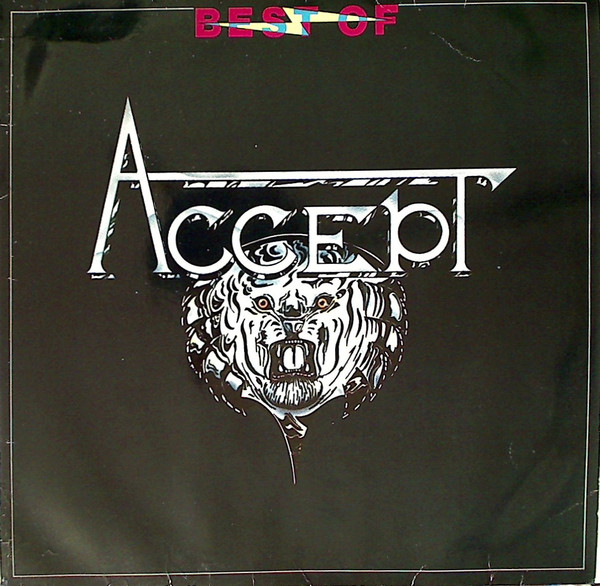
Best Of Accept
1983
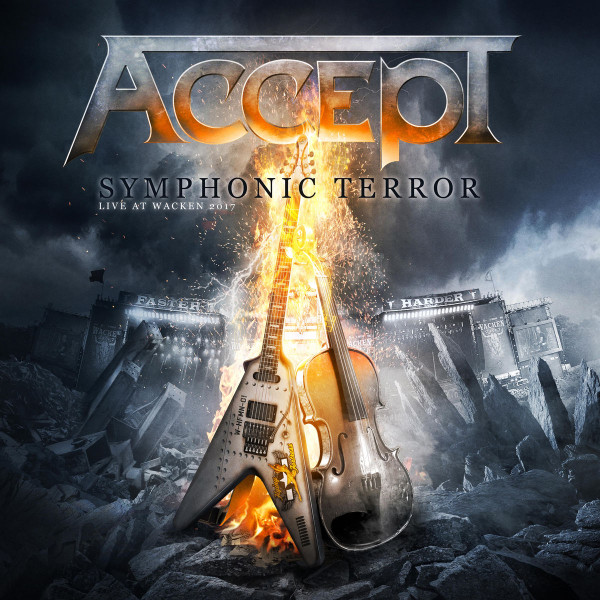
Symphonic Terror - Live At Wacken 2017
2018
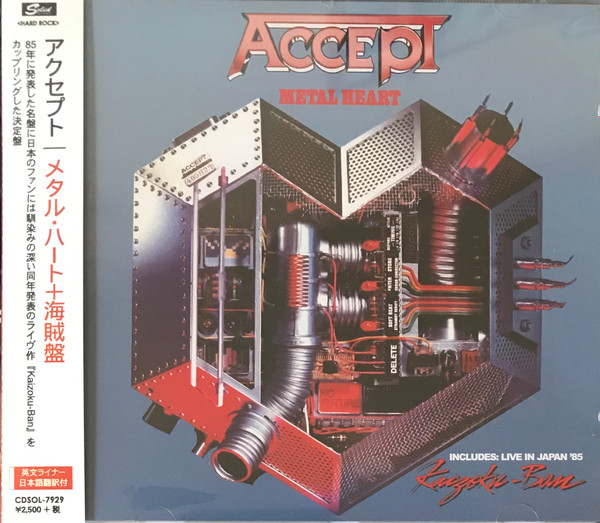
Metal Heart / Kaizoku-Ban
2013
Related artists
Members
Frequent collaborators
Around the web
Follow every record they touch.
Start your shelf and Gatefold tracks Accept's new pressings, tour dates, and the whole discography — automatically.
Start your shelf →Free forever. Works with 10 records or 10,000.