
Artist
AC/DC
Australian hard rock band
Sydney, Australia · Formed 1973
AC/DC is a music group from Sydney, Australia, active since 1973. Their discography on Gatefold includes 24 records.

50
Albums tracked
1,268
In collections
1973
Since
Biography
Malcolm Young played a Gretsch Jet Firebird with most of the guts ripped out—no middle or neck pickup, just the bridge and a hole in the wood. That dry, percussive crunch is the entire backbone of this band. They didn’t use fancy rack gear or studio tricks; they used Marshall heads turned up until the tubes screamed and a rhythm section that played behind the beat like a clock that’s slightly slow but never stops. George Young and Harry Vanda kept the sessions in Sydney tight and nasty because they knew exactly what the band was: a high-voltage blues act for people who drank too much. When Bon Scott died in the back of a Renault 5, the world thought the party was over. Instead, they brought in a guy from Newcastle who sounded like he ate gravel for breakfast and recorded the best-selling rock record in history. They haven’t changed a single chord progression or tempo since 1973, and anyone who complains about that doesn’t understand that consistency is a fucking superpower.
Bio from The Clerk
The Arc of AC/DC
The pivots — what forced AC/DC to reinvent.
The Albert Productions Grind
From '74 to '78, the band was essentially a house act for George Young and Harry Vanda at Albert Studios in Sydney. George treated his younger brothers like session grunts, forcing them to record lightning-fast to capture the raw, unpolished energy of their pub circuit sets. You hear it in the early Australian pressings of High Voltage and Dirty Deeds—it’s greasy, loose, and sounds like it was tracked in a room full of cigarette smoke and cheap beer. This era defined their blue-collar ethos before the international labels tried to clean them up.
The Mutt Lange Polishing
Everything changed when the label paired them with Robert John 'Mutt' Lange for Highway to Hell. Lange was a perfectionist who obsessed over vocal harmonies and snare crack, stripping away the pub-rock sloppiness to find the radio-ready hook underneath. He pushed Bon Scott to actually sing rather than just snarl and made Malcolm’s riffs sound like they were ten feet tall. It was a brutal shift in the studio that resulted in the massive, stadium-sized clarity found on Back in Black, turning a cult Australian band into a global juggernaut.
Self-Produced Stumbles
After Lange left, the band tried to capture that lightning themselves on Flick of the Switch, but the production fell flat and sounded thin compared to the previous three records. They fired Phil Rudd during the sessions, and the loss of his metronomic swing left the groove feeling stiff and mechanical. This was a decade of treading water where they chased the hair-metal trends of the mid-80s with Fly on the Wall, losing the grit that made them dangerous in the first place. It took hiring Rick Rubin for a single and then Bruce Fairbairn for The Razors Edge to finally remind them how to sound like AC/DC again.
Influences
- The Rolling Stones — Angus Young has cited the Keith Richards school of rhythm as his primary education in open-G tuning and space. You hear it in the stripped-back, chord-focused structure of 'T.N.T.' and 'Live Wire.' They took the Stones' swagger and removed all the fluff.
- Chuck Berry — Angus literally lifted the duckwalk from Chuck, but the influence goes deeper into the double-stop lead work. Every solo on 'Let There Be Rock' is essentially Berry's 'Johnny B. Goode' played through a wall of high-gain Marshalls. It’s the DNA of their entire lead style.
- Big Joe Turner — Bon Scott grew up obsessed with jump blues and the shouting style of 1950s R&B singers like Turner. The lyrical wit and 'shouting at the back of the room' delivery on 'The Jack' is a direct descendant of the bawdy blues Turner pioneered. It gave the band their predatory, locker-room humor.
- The Easybeats — George Young was the visionary behind The Easybeats, and he mentored his younger brothers on how to write a three-minute pop hook. He taught Malcolm that the riff is the boss and everything else is just noise. Without George’s 'Friday on My Mind' template, the band never would have found their discipline.
- Muddy Waters — The band covered 'Baby, Please Don't Go' on their first Australian LP as a nod to the Chess Records sound they worshipped. You hear Muddy's heavy, dragging slide influence all over the filthier tracks on Powerage. They just turned the blues into high-decibel street fighting.
Discography
Their records — most-collected first.
Back In Black
1980
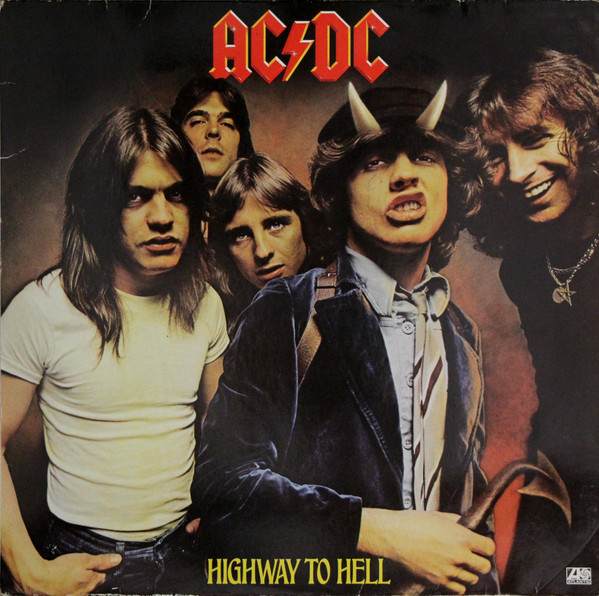
Highway To Hell
1979
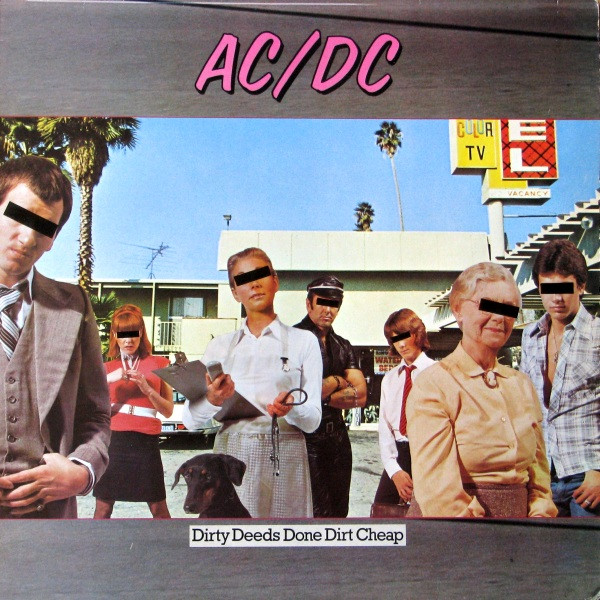
Dirty Deeds Done Dirt Cheap
1976

For Those About To Rock (We Salute You)
1981
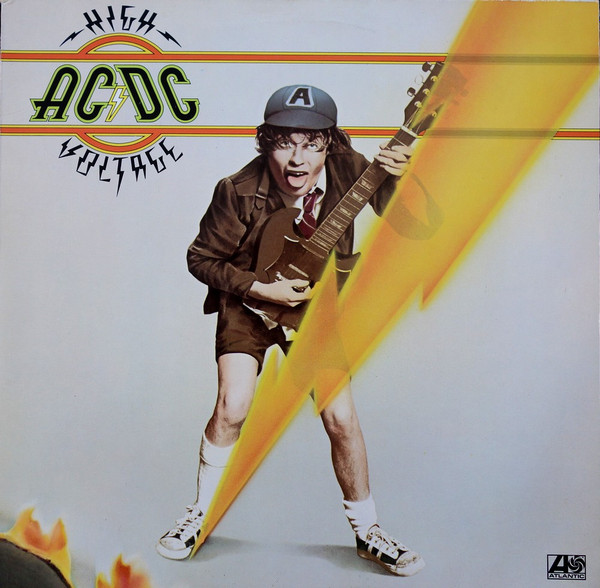
High Voltage
1976
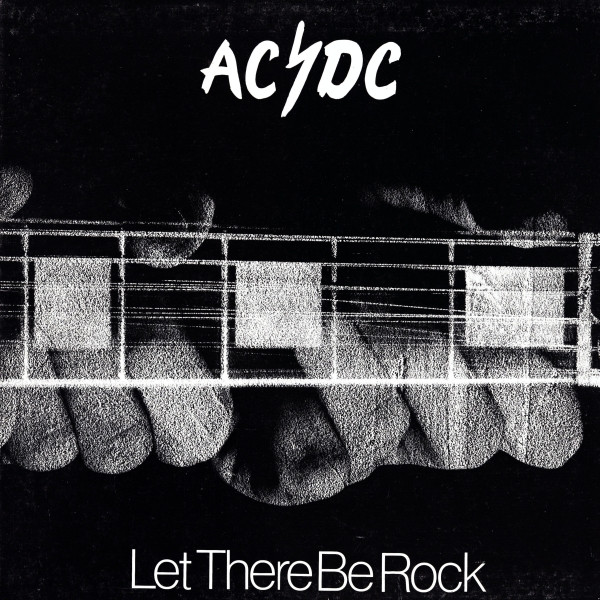
Let There Be Rock
1977
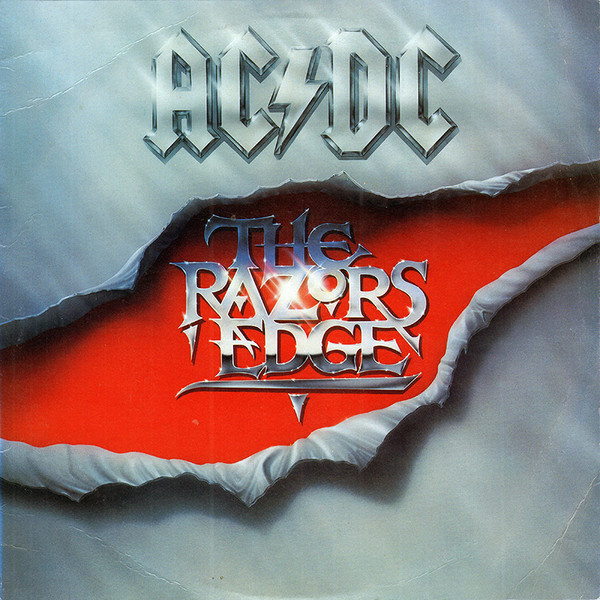
The Razors Edge
1990
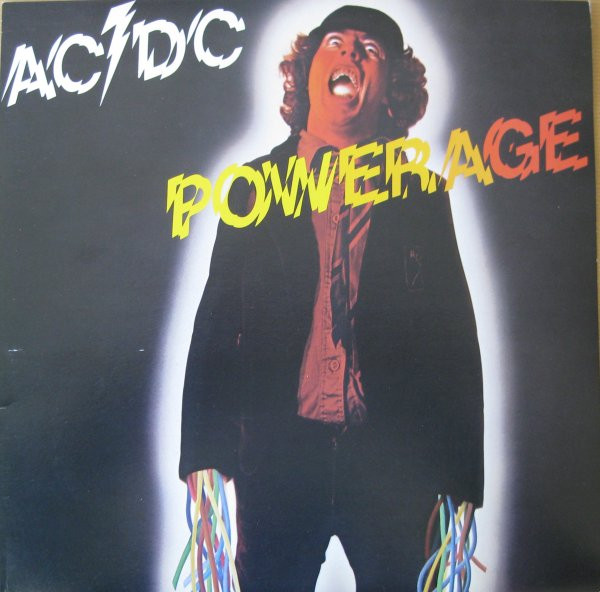
Powerage
1978
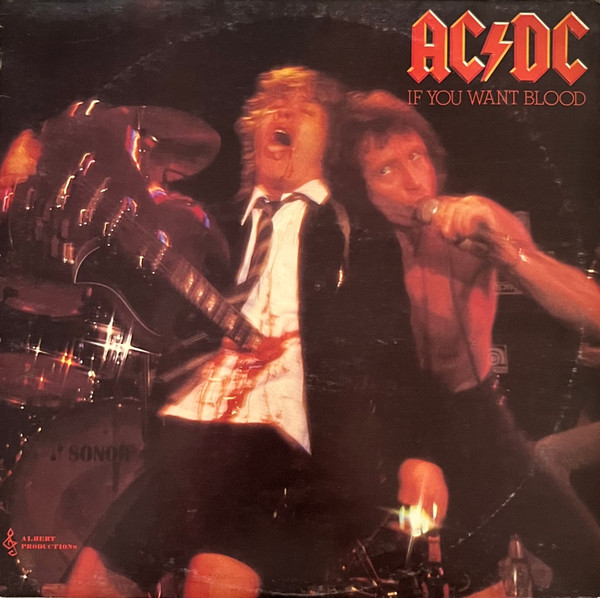
If You Want Blood You've Got It
1978
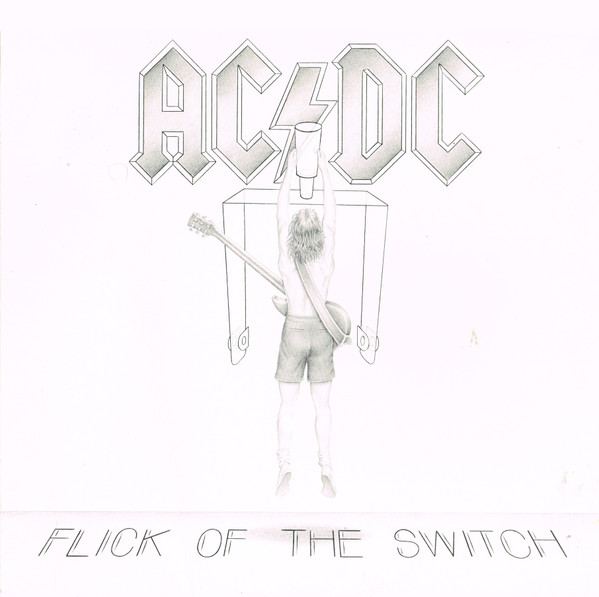
Flick Of The Switch
1983
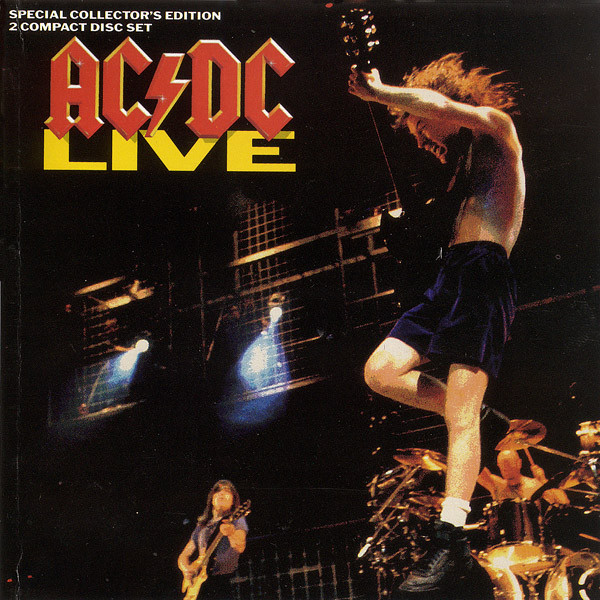
Live
1992
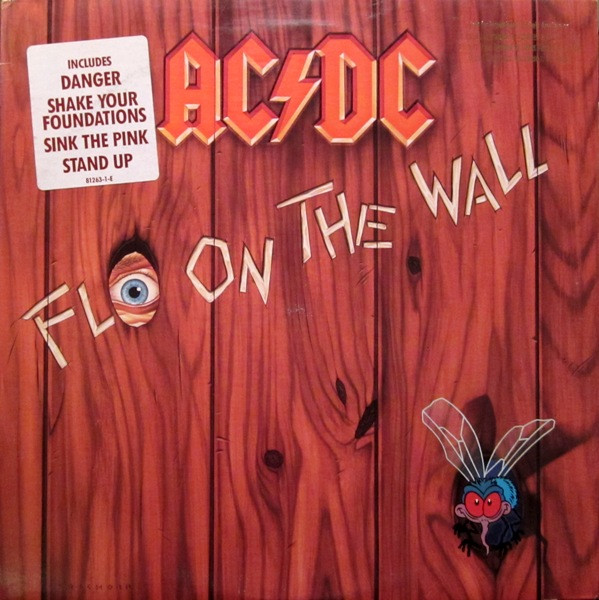
Fly On The Wall
1985
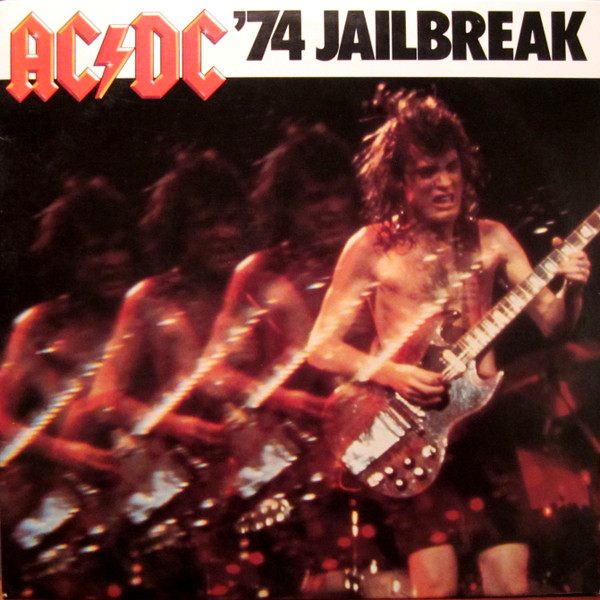
'74 Jailbreak
1984

Blow Up Your Video
1988
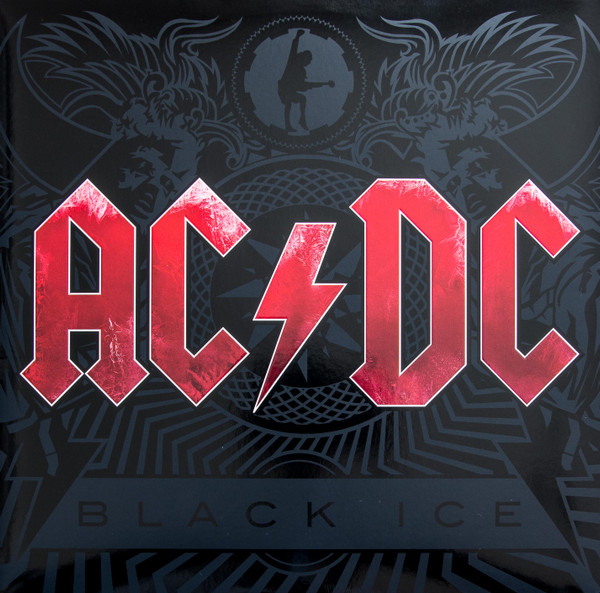
Black Ice
2008

Stiff Upper Lip
2000
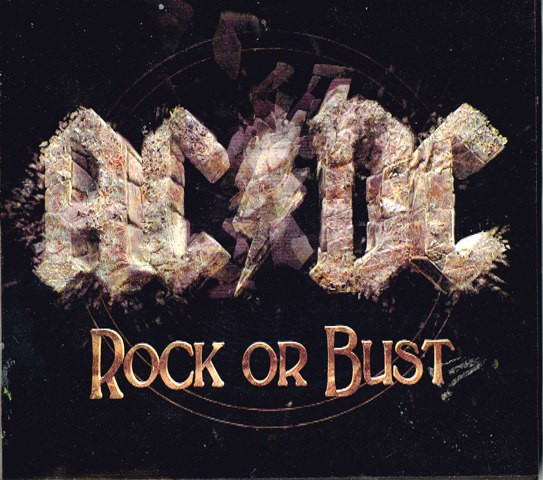
Rock Or Bust
2014

Ballbreaker
1995
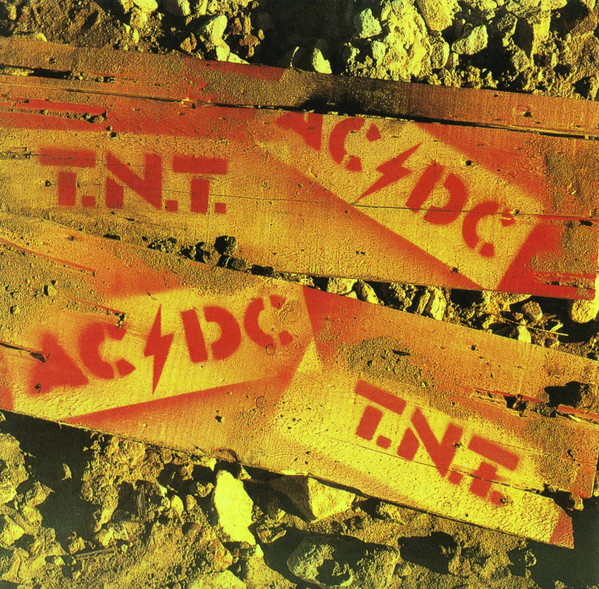
T.N.T.
1975
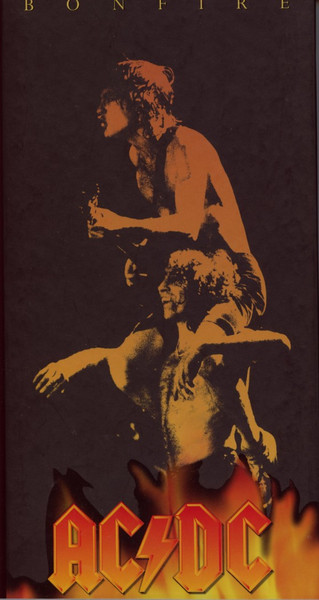
Bonfire
1997
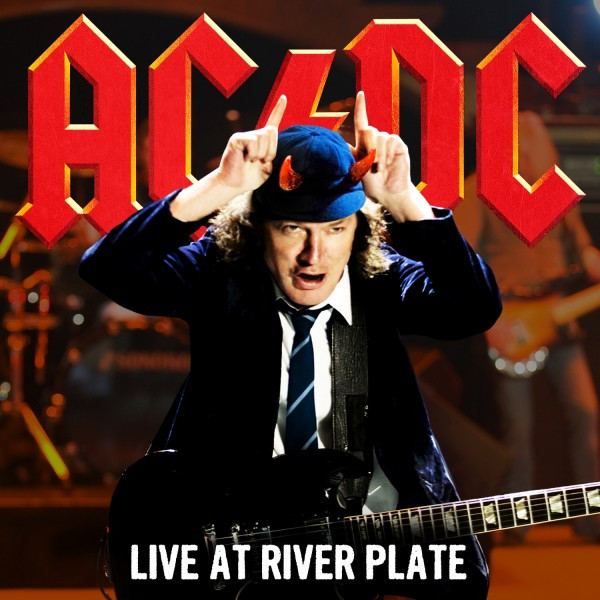
Live At River Plate
2012

Retro-Rock RR-82-21
1982
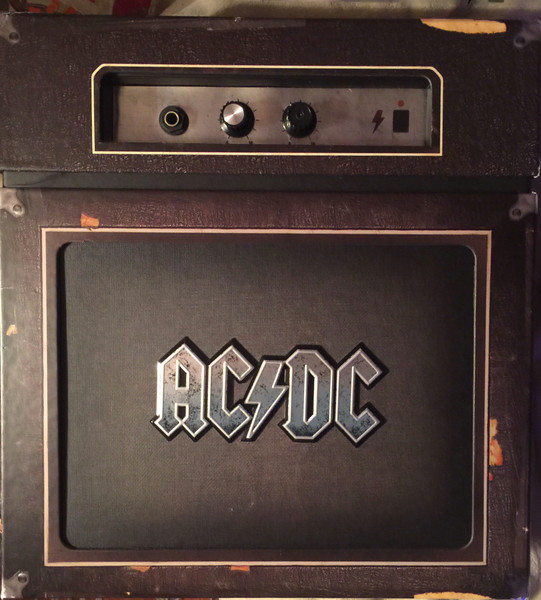
Backtracks
2009
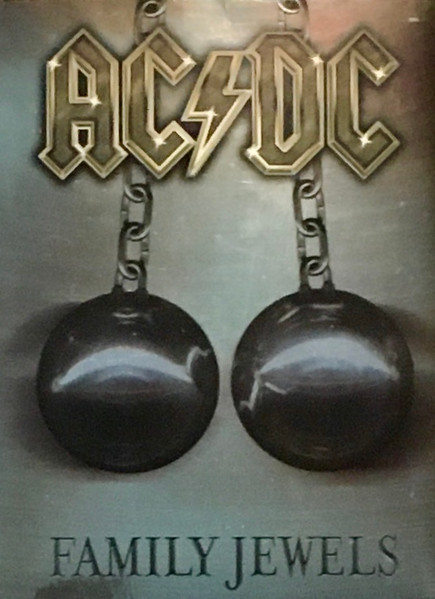
Family Jewels
2005
Related artists
Members
Frequent collaborators
Around the web
Follow every record they touch.
Start your shelf and Gatefold tracks AC/DC's new pressings, tour dates, and the whole discography — automatically.
Start your shelf →Free forever. Works with 10 records or 10,000.