
Artist
311
Omaha, United States · Formed 1988
311 is a music group from Omaha, United States, active since 1988. Their discography on Gatefold includes 24 records.

29
Albums tracked
214
In collections
1988
Since
Biography
Chad Sexton was obsessive enough to drag his drum kit into the basement of a house in Omaha just to get the snare crack exactly right on those early demos. That Midwest drum corps background is the only reason those early records didn't turn into a total mess of suburban posturing. They weren't some beach-bum outfit; they were guys who moved to Los Angeles with a U-Haul full of gear and enough discipline to treat rehearsals like a nine-to-five job. By the time they signed to Capricorn, they were so tight it was almost scary. The self-titled Blue album is where they finally got the budget to match the ambition, but that success became a golden cage. You can hear them struggling to keep the 'Unity' vibe alive while the industry tried to turn them into a standard radio-rock machine. They spent years pivoting between massive amphitheater tours and weird, sprawling studio experiments like Transistor that pissed off the casuals but kept the die-hards locked in. They survived the rap-rock purge because they actually knew how to play their instruments, though there were definitely some lean years where the songwriting felt like it was running on fumes and patchouli oil.
Bio from The Clerk
The Arc of 311
The pivots — what forced 311 to reinvent.
The Capricorn Basement Era
Before the radio hits, they were basically a fusion band disguised as skaters, recording records like Music and Grassroots with a raw, dry production style. These sessions were defined by P-Nut’s massive Warwick bass tone and a total lack of gloss, focusing on the rhythmic interplay between Hexum and Martinez. You hear a band trying to squeeze every ounce of Fugazi’s energy and Bad Brains’ speed into a funk-metal framework. It’s the sound of a group that hadn’t quite realized they were about to become millionaires.
The Transistor Overload
After the Blue album went triple-platinum, the band pushed back against the 'pop-reggae' label by locking themselves in the studio to record twenty-one tracks for Transistor. They brought in a massive array of vintage pedals and space-age effects, moving away from simple hooks toward dub-heavy, psychedelic arrangements. It was a commercial gamble that confused the 'Down' fans but proved they were more interested in being a jam-adjacent art project than a boy band with guitars. This period established the '311 Day' culture, turning the band into a self-sustaining touring island independent of the charts.
The Bob Rock Pivot
By the late 2000s, the band looked for a tighter, more professional sheen and hired Bob Rock to produce Uplifter at his studio in Maui. This was a deliberate move away from the lo-fi quirks of their early days, resulting in a massive, compressed sound designed for stadium PAs. The tracks became more linear and the production lost its grit in exchange for absolute clarity. It marked their transition into the legacy act phase, where the polish of the recording mattered more than the experimental chaos of the nineties.
Influences
- Bad Brains — The band has cited them as the ultimate blueprint for blending hardcore punk with reggae, and they famously covered 'Leaving Babylon' on the Soundsystem tour. You hear it in the way Sexton switches from frantic double-time to a halftime skank without dropping a beat. It’s the DNA of their entire heavy-meets-mellow philosophy.
- Fishbone — Hexum has explicitly called Fishbone one of their biggest early inspirations for the high-energy, multi-genre stage show. The chaotic, brass-inflected funk of the early 311 demos is a direct descendant of the 'Party at Ground Zero' era of ska-fusion. Without Fishbone breaking the door down, a band like 311 doesn't get a look from a label like Capricorn.
- The Police — P-Nut’s melodic bass playing and the band’s use of space and delay are straight out of the Sting and Stewart Copeland playbook. They’ve covered 'Roxanne' and 'Spirits in the Material World,' showing off that they understood the technical precision of New Wave reggae. It’s the reason their dub sections actually swing instead of just sounding like white-boy filler.
- Red Hot Chili Peppers — The early 311 records are deeply indebted to the Hillel Slovak and early Frusciante era of funk-metal, specifically the popping bass lines and rapid-fire vocal delivery. They toured as an opening act for the Peppers in the early nineties before the Blue album exploded. You can hear the Blood Sugar Sex Magik influence in the dry, tight drum room sounds on Grassroots.
- Public Enemy — The dual-vocalist dynamic between Hexum and S.A. Martinez was modeled after the Chuck D and Flavor Flav interplay. Martinez taking the high-register, hype-man verses over Hexum’s more grounded delivery is a classic hip-hop structure. They’ve referenced the Bomb Squad’s dense production style as a goal for their more experimental layers on Transistor.
Discography
Their records — most-collected first.

311
1995
From Chaos
2001

Music
1993

Grassroots
1994
Greatest Hits '93 - '03
2004

Transistor
1997
Evolver
2003

Mosaic
2017
Uplifter
2009
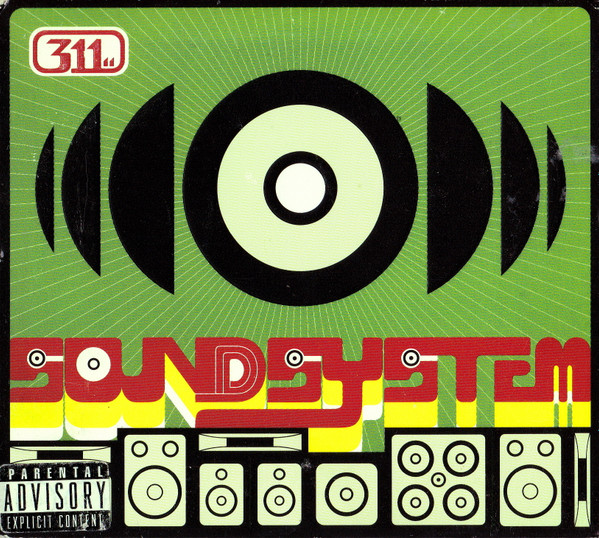
Soundsystem
1999
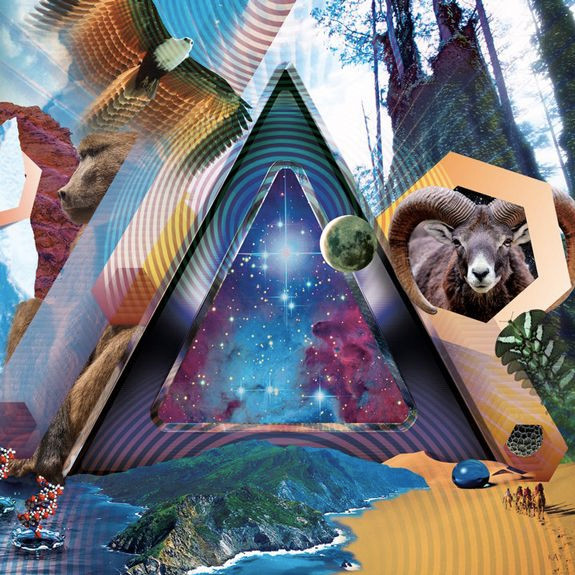
Universal Pulse
2011

Full Bloom
2024

Mardi Gras 2020
2021

Voyager
2019

Stereolithic
2014
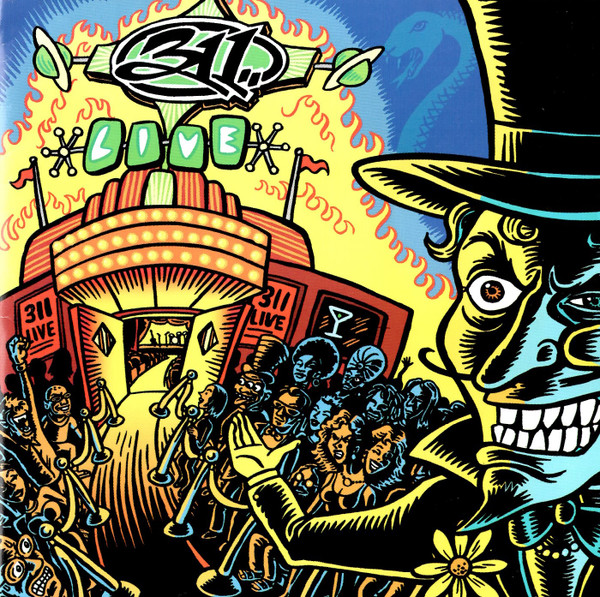
Live
1998
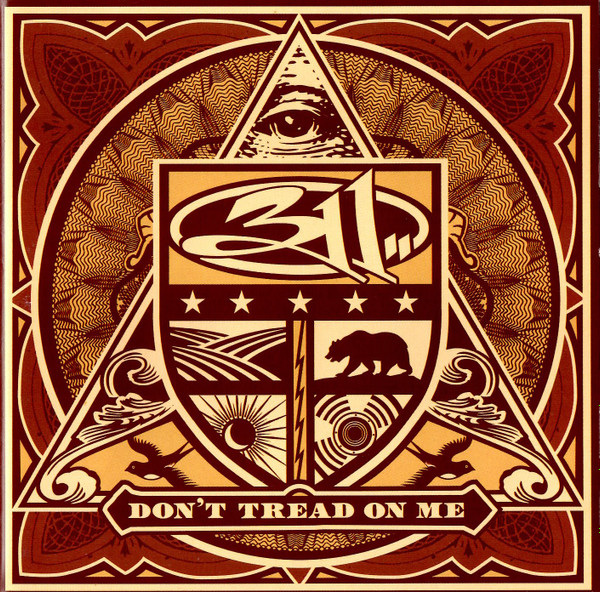
Don't Tread On Me
2005

Unity
1991
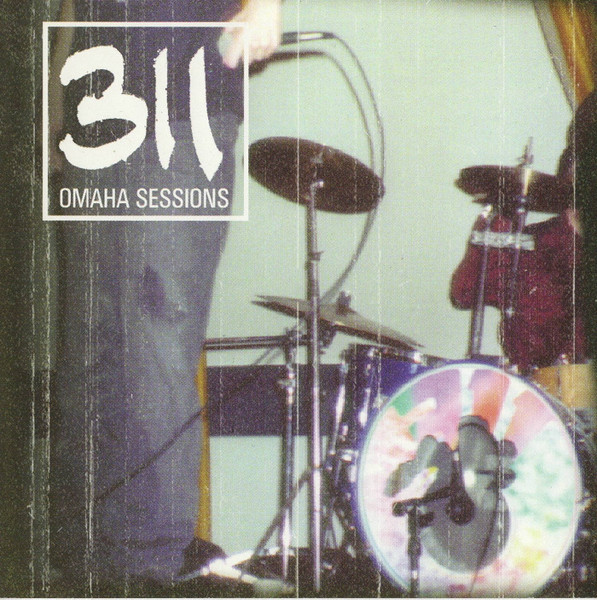
Omaha Sessions
1998
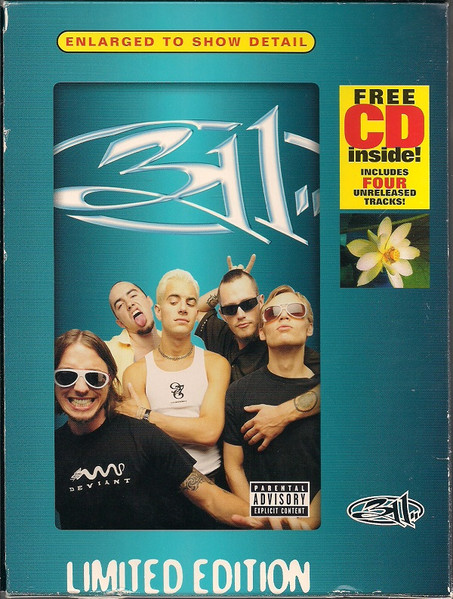
Enlarged To Show Detail
1996
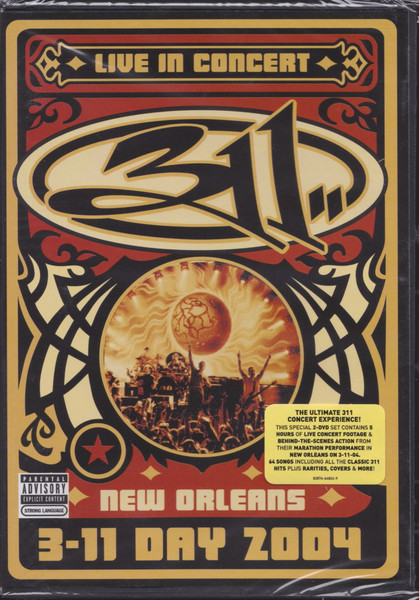
3-11 Day 2004
2004

Teenieweenie
1997

Freak Out / My Stoney Baby / Hydroponic
1992

Enlarged To Show Detail 2
Related artists
Around the web
Follow every record they touch.
Start your shelf and Gatefold tracks 311's new pressings, tour dates, and the whole discography — automatically.
Start your shelf →Free forever. Works with 10 records or 10,000.