
Artist
3 Colours Red
London, United Kingdom · 1995 – 2005
3 Colours Red is a music group from London, United Kingdom, active 1995–2005. Their discography on Gatefold includes 6 records.
6
Albums tracked
6
In collections
1995
Since
Biography
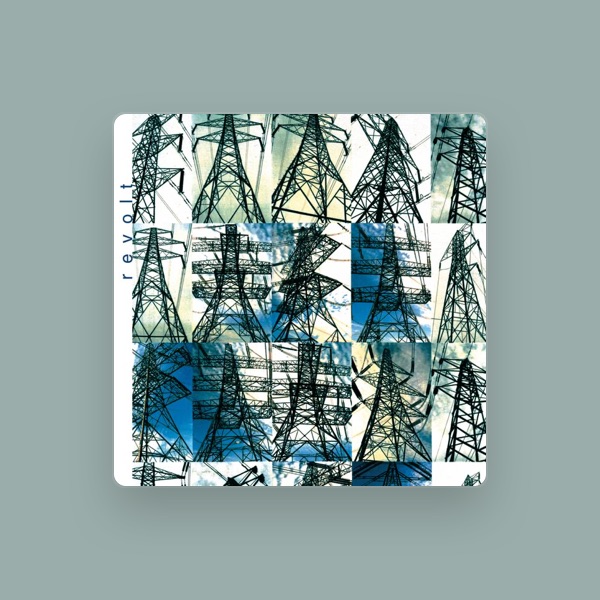
Terry Thomas took four guys soaked in Cheap Trick hooks and Hüsker Dü speed into Livingston Studios, ran the amps hot, and bet the farm on melodic punk in the absolute dead center of Britpop. In 1996, while everybody else was trying to write the next 'Parklife' or ape the Stone Roses, 3 Colours Red were playing four-on-the-floor, buzzsaw rock with Pete Vuckovic screaming bloody murder over huge pop harmonies. Alan McGee signed them to Creation because he was tired of soft bastards with acoustic guitars. McGee wanted a rock band with teeth, and for about eighteen months, they delivered the loudest, tightest singles in the UK. The tragedy was always timing. By the time they polished the edges at Rockfield with Dave Eringa on 'Revolt', the British music press had decided American post-grunge was the enemy, and radio stopped caring about massive guitar anthems overnight. They had the hooks, they had Keith Baxter battering the drums like a machine, but internal friction chewed through the rhythm section and split them right at their peak. A damn fine singles band that deserved better than being the punchline to Creation Records shutting its doors.
Bio from The Clerk
The Arc of 3 Colours Red
The pivots — what forced 3 Colours Red to reinvent.
The Creation Racket
Signed off a Fierce Panda seven-inch by an over-caffeinated Alan McGee, the band booked into Livingston Recording Studios with manager Terry Thomas to cut fast, no-nonsense punk-pop. The result was 1997's 'Pure', loaded with hyper-compressed distortion and undeniable choruses like 'Sixty Miles an Hour' that actually broke the UK Top 40. They stood out like a sore thumb against the prevailing indie landscape, touring relentlessly and out-riffing the lukewarm competition. You hear the breathless momentum across every track—no acoustic ballads, no filler, just raw British power-pop played with amphetamine urgency.
The Rockfield Polish and Fracture
Looking for arena-sized scale, the band decamped to Wales to record at Rockfield Studios with Dave Eringa, handing mixing duties over to Chris Sheldon. The resulting record, 1999's 'Revolt', dialed up the glossy production values and brought in darker, heavier dynamics on singles like 'Beautiful Day'. Despite scoring their biggest chart positions, the tour grind and bitter creative clashing between McCormack and Vuckovic tore the lineup apart from the inside. After a volatile set at the 1999 Reading and Leeds Festivals, they pulled the pin and dissolved before the year even ended.
The Swansea Reboot and the Final Wall
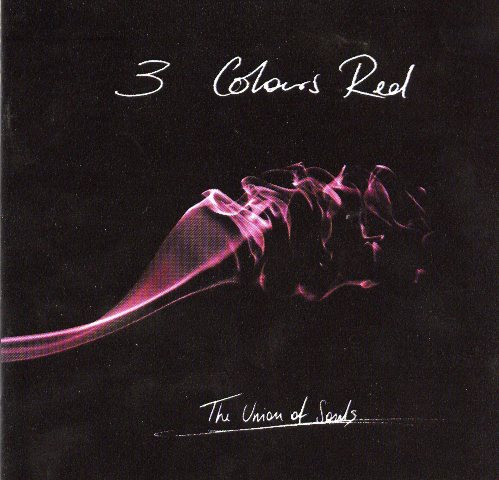
Three years later, Vuckovic, McCormack, and Baxter reunited without guitarist Ben Harding, drafting Paul Grant to track a heavier, grittier record. Working out of the old BBC studios in Swansea with producer Joe Gibb, they dropped 2004's 'The Union of Souls' on Mighty Atom Records. The tracks hit with a metallic, aggressive low-end, ditching the glossy sheen of their major-label heyday for raw spite and hard-rock drive. The comeback was brief; missing the promotional firepower of a major label and plagued by the same old personal arguments, they walked away for good by late 2005.
Influences
- The Wildhearts — Before forming 3 Colours Red, Chris McCormack's older brother Danny McCormack played bass in The Wildhearts, anchoring the band directly in that group's orbit of breakneck riffs and massive harmonies. You can hear that exact manic tempo and multi-tracked gang vocal approach running through 'Nuclear Holiday'. They lifted the blueprint of marrying metallic crunch to Beatles-tier pop hooks straight from Ginger Wildheart's playbook.
- The Senseless Things — Guitarist Ben Harding cut his teeth in The Senseless Things, one of the foundational UK pop-punk outfits of the late '80s and early '90s. His signature bright, driving guitar style carried directly onto 1997's 'Pure'. It grounded the band's songwriting in punchy, three-minute melodic outbursts rather than bloated grunge noodling.
- Hüsker Dü — Pete Vuckovic repeatedly cited Bob Mould's legendary Minneapolis trio as the gold standard for writing pop melodies buried under walls of extreme fuzz. That influence surfaces instantly on tracks like 'Pure', where the rhythm guitars are overdriven into a flat, roaring buzz while the vocal stays strictly hook-focused. Mould's balance of emotional angst and bullet-train tempos is baked right into their DNA.
- Cheap Trick — The band openly worshipped the power-pop guitar excess of Rick Nielsen and Robin Zander. They made it explicit by hiring producer Terry Thomas, who had helmed Cheap Trick's 1990 record 'Busted', to produce their entire debut album. You hear it in the fat, soaring choruses and stadium-sized vocal layering that defined their breakthrough singles.
- The Clash — The British punk lineage was an intentional touchstone for the band's street-level lyricism and driving rhythm section. Keith Baxter's high-energy drum work on 'Paralyse' mirrors Topper Headon's aggressive, danceable attack. They wore that late-'70s UK urgency openly, refusing the mid-tempo slacker cool favored by American alt-rock.
Discography
Their records — most-collected first.



Related artists
Around the web
Follow every record they touch.
Start your shelf and Gatefold tracks 3 Colours Red's new pressings, tour dates, and the whole discography — automatically.
Start your shelf →Free forever. Works with 10 records or 10,000.