
Artist
Green Day
Rodeo, United States • Formed 1989
Green Day is a music group from Rodeo, United States, active since 1989. Their discography on Gatefold includes 24 records.

24
Albums tracked
1,084
In collections
1989
Since
Biography
Green Day is an American rock band formed in Rodeo, California, in 1987 by lead singer and guitarist Billie Joe Armstrong and bassist and backing vocalist Mike Dirnt, with drummer Tré Cool joining in 1990. Their major-label debut "Dookie" was released in 1994 through Reprise Records and became a commercial success, selling over 20 million copies in the United States. Green Day has been associated with a revival of mainstream interest in punk rock.
The Arc of Green Day
The pivots — what forced Green Day to reinvent.
The Lookout! Years
Before the world knew about them, they were the house band for the East Bay scene, recording Kerplunk with new drummer Tré Cool and proving they could write hooks that didn't need major label polish. The songs are frantic and raw, fueled by cheap gear and the pressure of a scene that demanded total authenticity. You can hear the transition from the looser Kiffmeyer era to Tré’s more technical, Keith Moon-inspired drumming, which gave Billie Joe the foundation to actually start writing anthems. It’s the sound of a band outgrowing their local dive bar in real-time.
The Major Label Gamble
Signing to Reprise was a death sentence in the Berkeley underground, but Rob Cavallo saw a way to translate that Gilman energy into a radio-ready monster. They moved to Fantasy Studios and focused on a tight, dry sound that emphasized Mike Dirnt’s busy bass lines, which often carried the melody while Billie Joe’s guitar stayed locked in a rhythmic crunch. Dookie landed like a bomb because it sounded professional but felt dangerous to suburban kids who’d never heard of Stiff Little Fingers. It’s a masterclass in economy, where no song overstays its welcome and every chorus is designed to be shouted back by fifty thousand people.
The Operatic Pivot
By 2003, the band was drifting after the lukewarm reception of Warning and the theft of their master tapes for a project called Cigarettes and Valentines. Instead of re-recording the lost tracks, they threw a Hail Mary and leaned into a multi-part, concept-driven rock opera inspired by The Who’s Tommy and the political climate of the Iraq War. American Idiot was a massive risk that could have been an embarrassing disaster, but it revitalized them by embracing the stadium-rock theatricality they’d previously been too 'punk' to touch. The production is huge, the arrangements are dense, and it saved them from becoming a 90s nostalgia act.
Influences
- The Replacements — Billie Joe has cited Paul Westerberg as his favorite songwriter and even played a replacement gig for them at Coachella. You hear that sloppy, booze-soaked heart-on-sleeve sincerity all over the Kerplunk era. It's the DNA of the 'lovable loser' persona.
- Hüsker Dü — The band has frequently covered 'Don't Want to Know If You Are Lonely' and modeled their blend of hardcore speed and pop melody after Bob Mould’s work. You hear it in the way Mike Dirnt’s aggressive, overdriven bass tone occupies the space between the drums and the guitar. It’s the blueprint for melodic hardcore.
- The Buzzcocks — They’ve covered 'Ever Fallen in Love' and stole the 2-minute-and-change pop-punk structure directly from Pete Shelley. The short, sharp shocks on Dookie are basically Manchester pop-punk updated for Northern California. If you don't hear the Buzzcocks in 'Basket Case,' you aren't listening.
- The Who — The ambition for American Idiot came directly from Pete Townshend’s conceptual works, with the band specifically referencing A Quick One, While He's Away as a structural guide. You hear it in the multi-part suites like 'Jesus of Suburbia.' They traded the basement for the arena and used Townshend’s playbook to do it.
- The Ramones — The band inducted the Ramones into the Rock and Roll Hall of Fame and Billie Joe played his first shows on a Fernandes Strat copy he called 'Blue' specifically to mimic the down-stroke power chord style. The entire Green Day catalog is built on the foundation of the Ramones' 1-4-5 progression and total lack of guitar solos. It's the holy scripture of the three-chord miracle.
Discography
Their records — most-collected first.
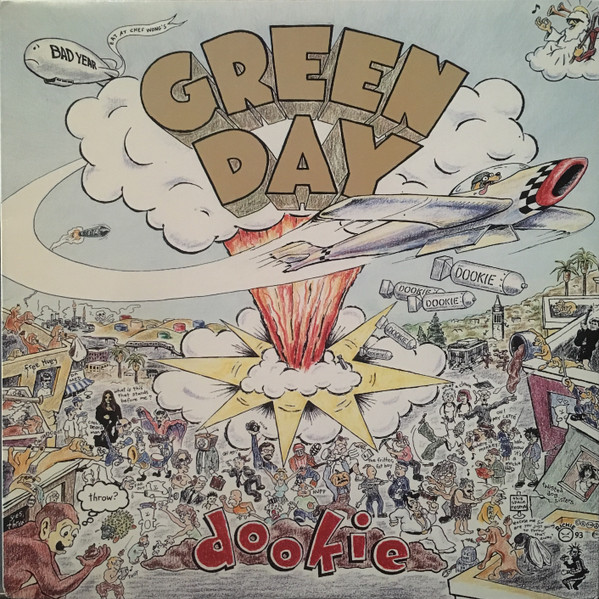
Dookie
1994
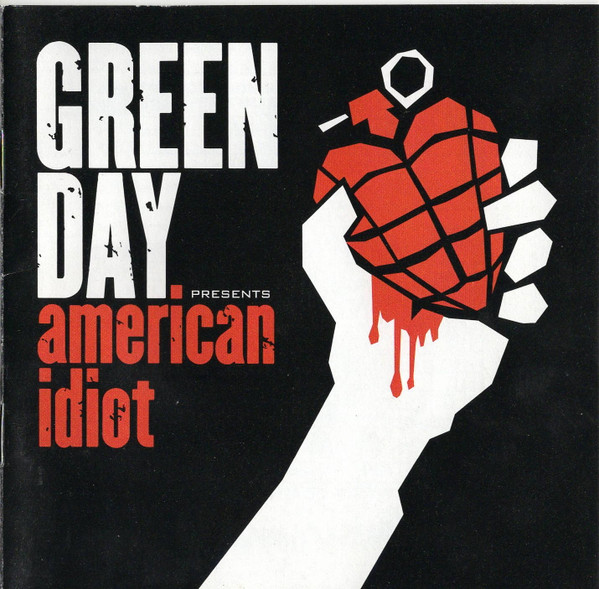
American Idiot
2004
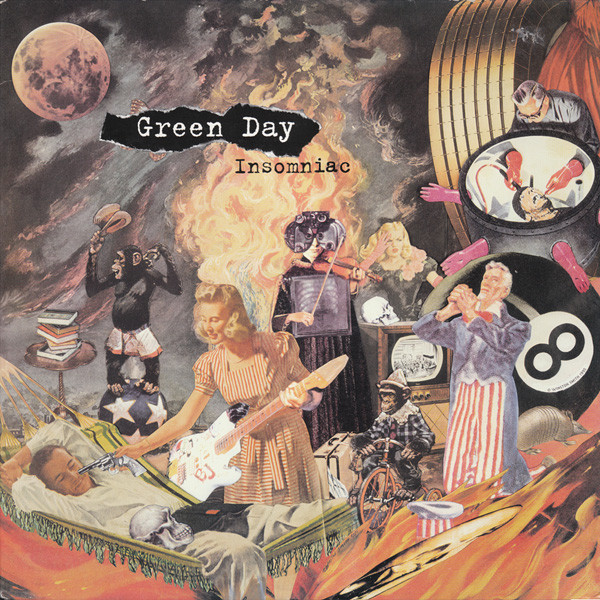
Insomniac
1995
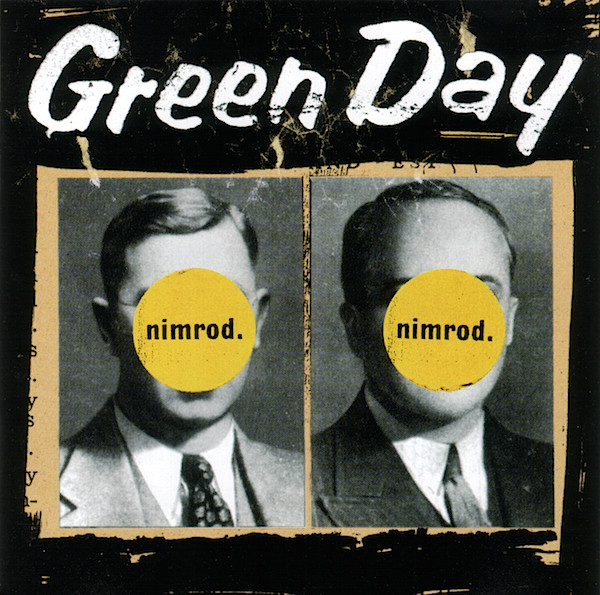
Nimrod.
1997
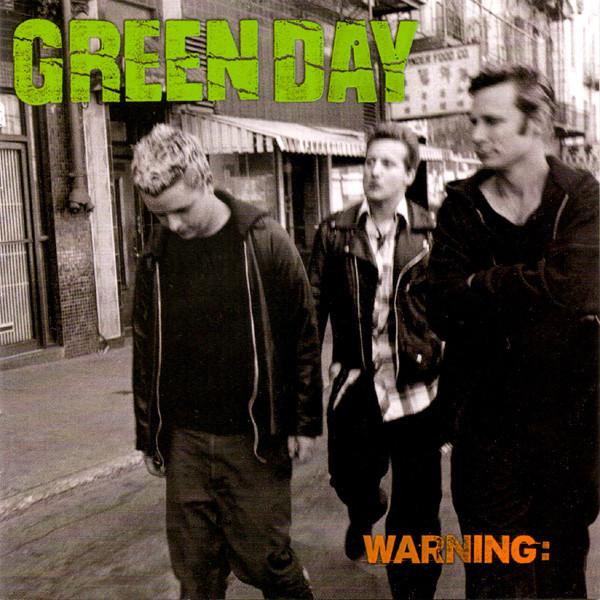
Warning:
2000
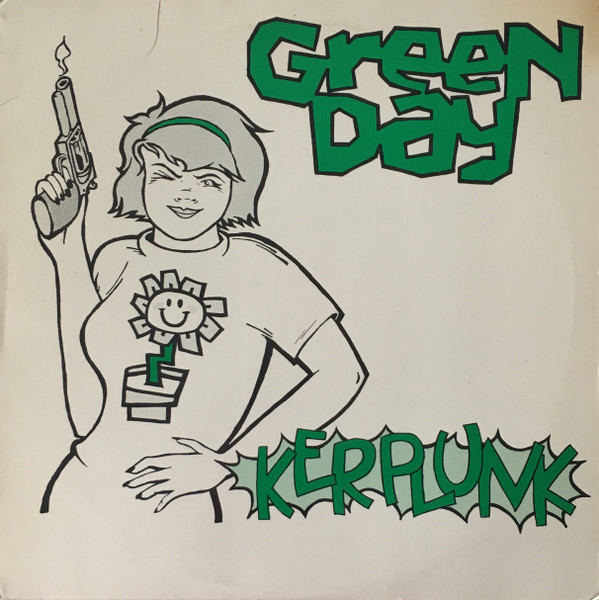
Kerplunk!
1991
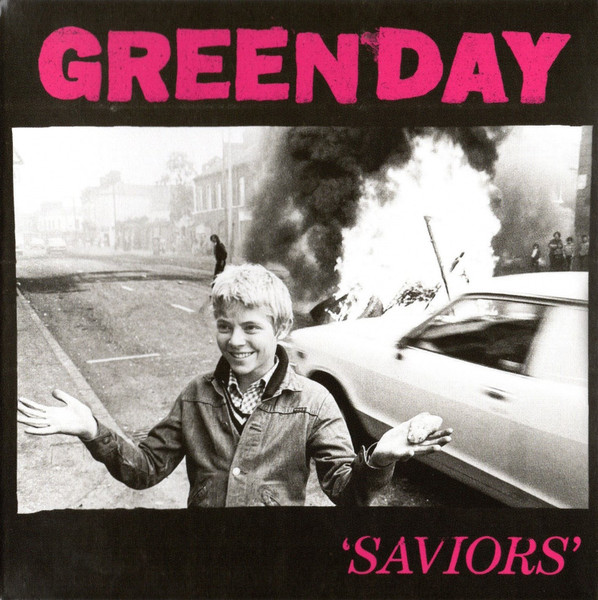
Saviors
2024
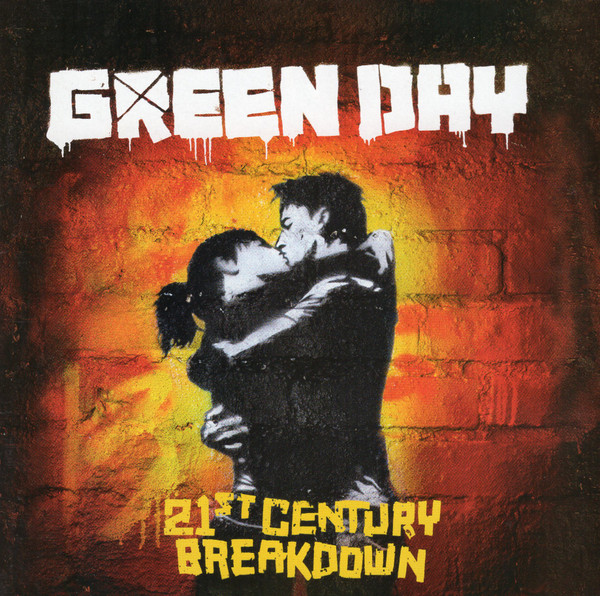
21st Century Breakdown
2009
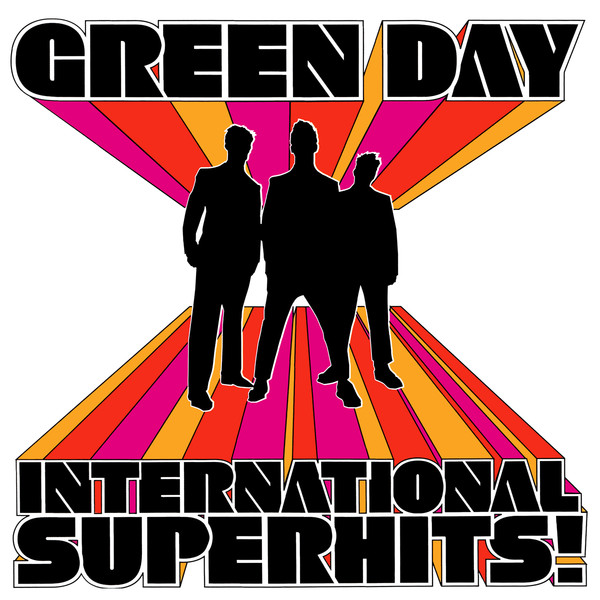
International Superhits!
2001
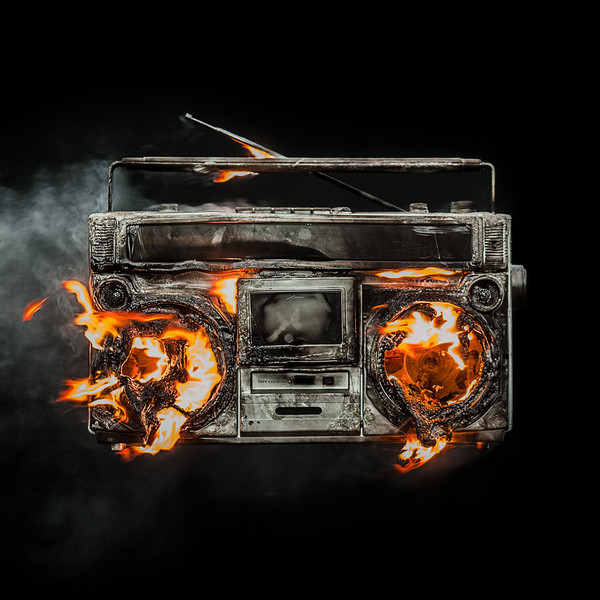
Revolution Radio
2016
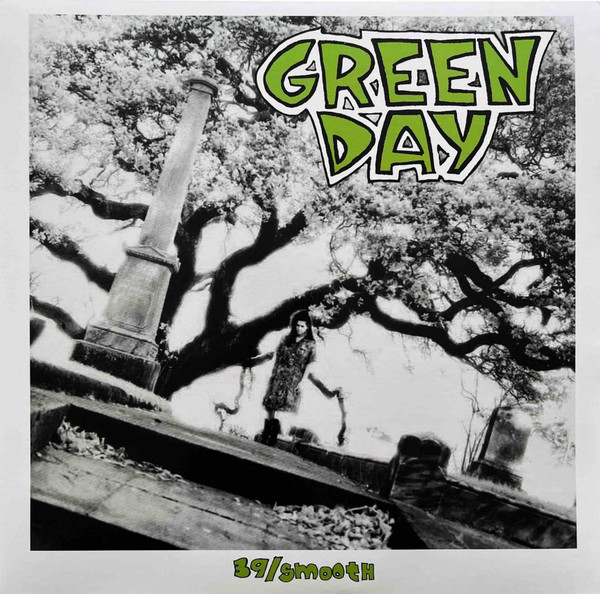
39/Smooth
1990

Greatest Hits: God's Favorite Band
2017

Father Of All...
2020
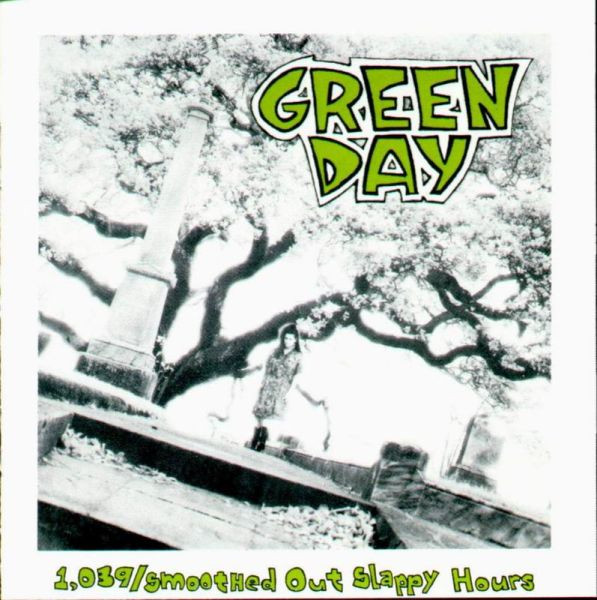
1,039/Smoothed Out Slappy Hours
1991

BBC Sessions
2021
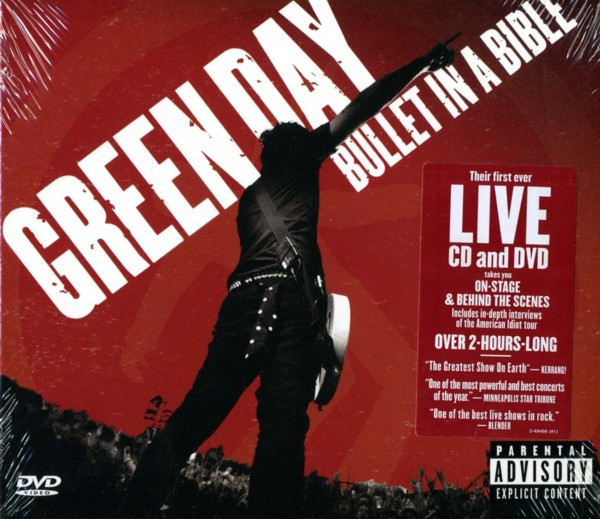
Bullet In A Bible
2005
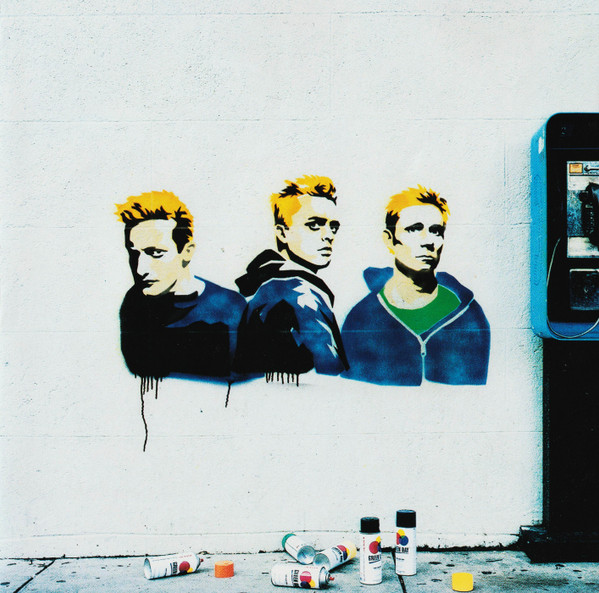
Shenanigans
2002

¡Uno!
2012

¡TRÉ!
2012

Awesome As F**k
2011
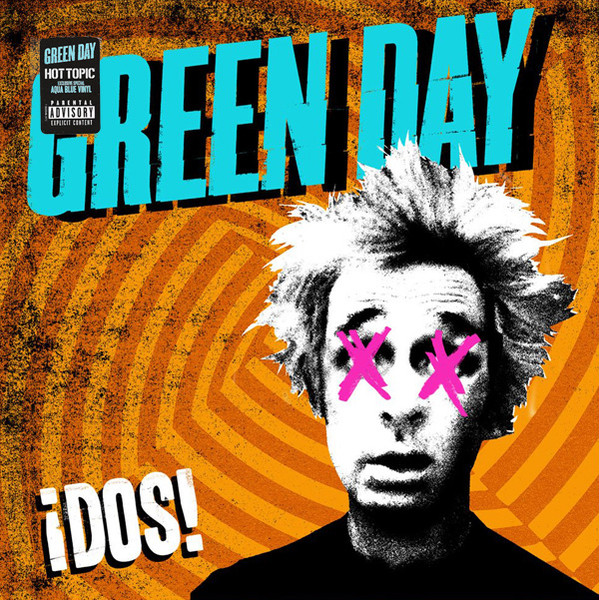
¡Dos!
2012
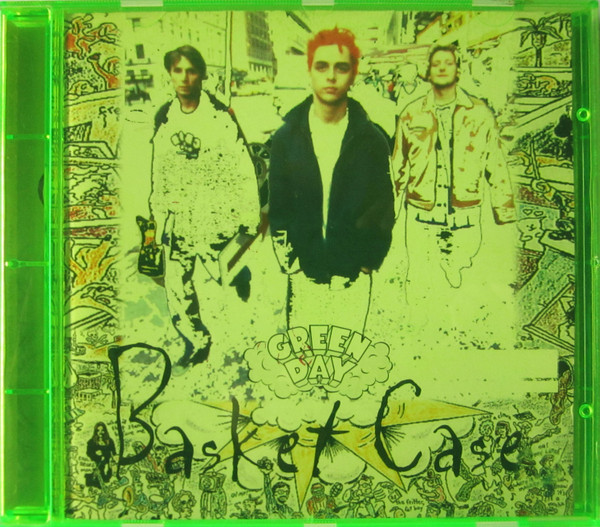
Basket Case
1994
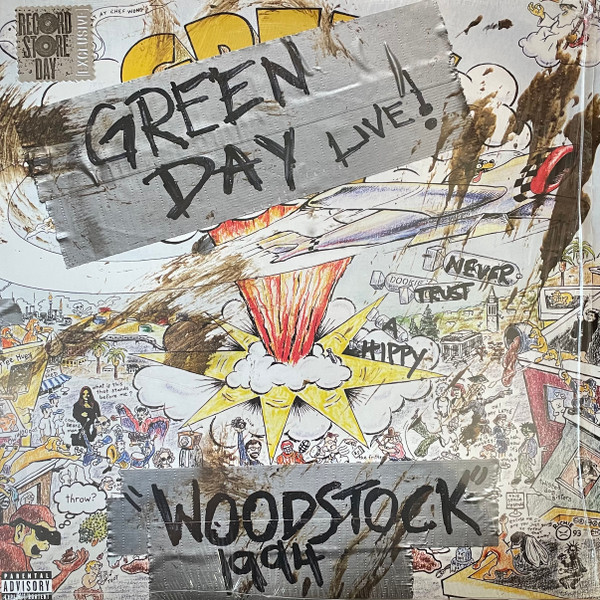
Woodstock 1994
2019
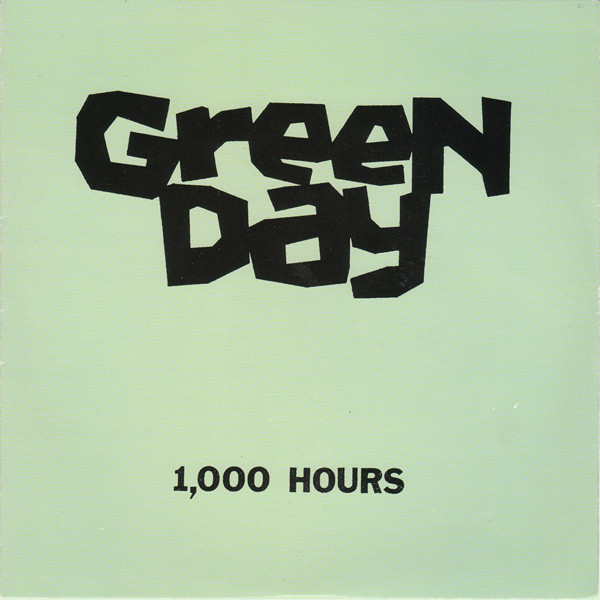
1,000 Hours
1989
Related artists
Frequent collaborators
Around the web
Follow every record they touch.
Start your shelf and Gatefold tracks Green Day's new pressings, tour dates, and the whole discography — automatically.
Start your shelf →Free forever. Works with 10 records or 10,000.