
Album
Get Up With It
1974 · Jazz
15 collectors on Gatefold own this
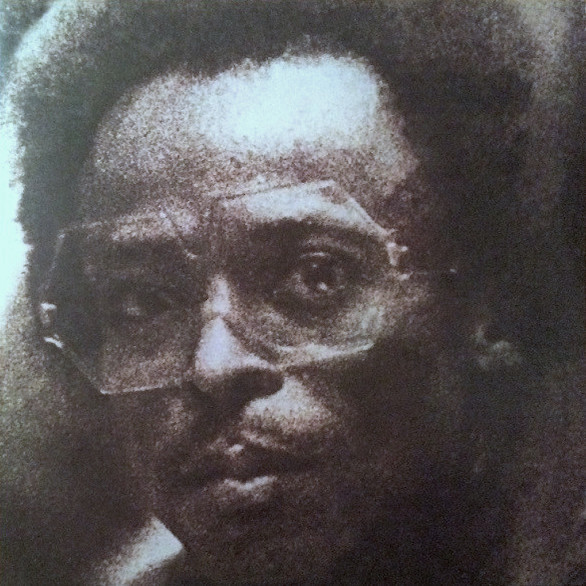
Get Up With It is a Jazz album by Miles Davis, originally released in 1974. On Gatefold: 54 pressings tracked, owned by 15 collectors.
About
Get Up With It is a double album by American jazz trumpeter Miles Davis, released in 1974 on Columbia Records. It is a dense and sprawling work primarily composed of recordings from 1970 to 1974, showcasing Davis's evolving electric jazz fusion sound and his deepening exploration of funk, rock, and avant-garde elements. The album is notable for its extended track lengths, its incorporation of diverse musical textures, and its status as a bridge between the more explicitly rock-influenced *On the Corner* and the introspective *Agharta* and *Pangaea*. Background Following the release of On the Corner in 1972, Miles Davis's experimental direction divided critics and audiences alike. While some praised its innovative fusion of funk and jazz, others criticized its departure from traditional jazz forms. The album's rhythm-heavy approach, influenced by artists like James Brown and Sly Stone, marked Davis's deliberate move to connect with younger, predominantly Black audiences. This context is crucial for understanding how Get Up With It emerged as an even more radical extension of Davis's artistic vision. Get Up With It represents a compilation of recordings made between 1970-1974, a period marked by significant changes in Davis's ensemble. Key personnel during these sessions included guitarists Pete Cosey and Reggie Lucas, whose distinctive effects-laden playing styles contributed to the album's psychedelic atmosphere. Davis also experimented extensively with electric instruments, notably the Yamaha electric organ and various effects pedals for his trumpet, creating previously unheard timbres in jazz. The album shares material with Big Fun (1974), both drawing from the same fertile period of experimentation. These sessions were remarkable for their unconventional recording approach - Davis would often record continuously for hours, allowing musicians to develop ideas organically. The Columbia Records studios in New York City, where most recordings took place, became a laboratory for sonic experimentation, equipped with state-of-the-art recording technology including the then-revolutionary 16-track recording system. The production partnership between Davis and Teo Macero was particularly revolutionary for its time. Macero, who had worked with Davis since the late 1950s, employed techniques more commonly associated with musique concrète and early electronic music. Their innovative use of tape editing predated similar techniques in hip-hop and electronic music by several years. For instance, on tracks like He Loved Him Madly, Macero would splice together different takes, manipulate tape speeds, and layer multiple recordings - techniques that would later become standard practice in popular music production. This studio methodology represented a significant departure from jazz's traditional emphasis on live, unedited performance, anticipating the studio-as-instrument approach that would become prevalent in later decades. Initially met with mixed reviews due to its experimental nature, over time "Get Up With It" has gained recognition as an influential work that anticipated future directions in music such as ambient and post-rock styles. Despite being one of Miles' most underrated albums at release, it now stands as a testament to his innovative genius. After releasing this album, Miles Davis took a hiatus from music until 1980 due to personal struggles with addiction and health issues. Reception Get Up With It initially polarized critics and listeners in 1974. Traditional jazz purists, particularly those writing for publications, found its experimental nature jarring. Critics criticized its departure from bebop traditions, while others praised its boundary-pushing innovation. The album's lengthy compositions (particularly the 32-minute opener He Loved Him Madly) and dense electronic textures challenged contemporary listening habits. However, by the late 1980s, a critical reassessment began. Publications began recognizing its prescient influence on emerging electronic and experimental music scenes. Critics and musicians today recognize Get Up With It as: A Culmination of Davis's Electric Period Explorations: The album represents the apex of Davis's electronic experimentation, synthesizing elements from his previous works. The hypnotic grooves of Maiysha build on the rhythmic innovations of On the Corner, while Calypso Frelimo extends the textural complexity first explored in Bitches Brew. Miles Davis's use of the Yamaha electric organ throughout the album adds an entirely new sonic dimension to his established electric vocabulary. A Precursor to Later Musical Trends: The album's influence extends far beyond jazz. Its use of extended drones and atmospheric textures in He Loved Him Madly directly influenced Brian Eno's ambient music developments, as acknowledged in his liner notes for Music for Airports. The layered percussion and cyclical structures of Mtume prefigured techniques later employed in electronic dance music. Contemporary artists like Flying Lotus and Aphex Twin have acknowledged its impact on their approach to electronic composition. A Challenging and Rewarding Listening Experience: The album's complexity stems from its innovative studio techniques, including Teo Macero's revolutionary tape editing and Davis's unconventional ensemble direction. Specific moments, like the interweaving of Michael Henderson's bass lines with Al Foster's polyrhythmic drumming in Red China Blues, reveal new details with each listen. The dense mix allows listeners to focus on different instrumental layers - from Pete Cosey's effects-laden guitar to Davis's electronically processed trumpet - creating multiple paths through the music. A Testament to Davis's Uncompromising Vision: This album exemplifies Davis's artistic fearlessness. Despite Columbia Records' commercial concerns and critic Stanley Crouch's famous dismissal of his electric period as "musical sterility," Davis pushed forward with his fusion vision. The album's incorporation of influences from James Brown, Karlheinz Stockhausen, and Jimi Hendrix demonstrated Davis's commitment to breaking down musical barriers. His use of studio technology as a compositional tool challenged traditional notions of jazz authenticity and helped legitimize electronic experimentation in jazz contexts.
via Last.fm
The Clerk says
The Clerk knows this whole record — the pressing quirks, the credits, the take.
Tracklist
Side A
- AHe Loved Him Madly30:29
Side B
- B1Maiysha14:52
- B2Honky Tonk5:54
- B3Rated X6:50
Side C
- CCalypso Frelimo32:07
Side D
- D1Red China Blues4:10
- D2Mtume15:08
- D3Billy Preston12:35
Sound DNA
- Jazz
- Jazz Fusion
- fuzzy
- intense
- spacey
Notes from the original pressing. Later editions may differ.
Pitman pressing as indicated by a faint "P" stamped in runouts on all sides, separate from the main "P AL" or "P BL" portion.
Some copies stickered as PG 33236, on upper spine and on top left rear jacket. In addition, some copies are stickered with white X798 sticker on lower spine.
Runouts are mostly stamped.
Credits
The people behind it.
Performers
- Airto MoreiraPERCUSSION
- Al FosterDRUMS
- Badal RoyTABLA PERCUSSION
- Bernard PurdieDRUMS
- Billy CobhamDRUMS
- Carlos GarnettSOPRANO SAXOPHONE SAXOPHONE
- Cedric LawsonELECTRIC PIANO KEYBOARDS ORGAN
- Cornell DupreeGUITAR
- David LiebmanALTO FLUTE FLUTE FLUTE, ALTO FLUTE
- Dominique GaumontGUITAR
- Herbie HancockFEATURING KEYBOARDS
- James MtumePERCUSSION CONGAS
- John McLaughlinFEATURING GUITAR
- John StubblefieldSOPRANO SAXOPHONE SAXOPHONE
- Keith JarrettELECTRIC PIANO FEATURING KEYBOARDS
- Khalil BalakrishnaELECTRIC GUITAR ELECTRIC SITAR SITAR
- Lester ChambersFEATURING
- Michael HendersonBASS ELECTRIC BASS BASS GUITAR
15 collectors on Gatefold own this · 54 pressings tracked on Gatefold
Start your shelf.
Track your pressings of Get Up With It, get the Clerk's take, and see what the record is worth — free.
Start your shelf →Free forever. Works with 10 records or 10,000.